
How Hernias Can Recur After Surgical Repair

Over time, difficulties with healing, changes in the surrounding tissues or continued strain on the repair may contribute to recurrence. The underlying reasons can also differ according to the type of hernia:
- Groin hernias: Inguinal and femoral hernias may recur when weakness develops or persists around the previously repaired area.
- Ventral and incisional hernias: Hernias affecting the abdominal wall, including those that develop through previous surgical incisions, may recur because of factors such as tissue weakness, wound-healing difficulties or the size and complexity of the original defect.
Recurrence does not necessarily mean the original surgery was performed incorrectly. Several patient-related and surgical factors can influence the long-term durability of a hernia repair.
Factors That Contribute to Hernia Recurrence
Hernia recurrence can result from a combination of patient-related factors, the characteristics of the original hernia and the surgical repair itself. Their relative importance may differ between groin and abdominal wall hernias.
Poor Wound Healing
Conditions that affect tissue healing, such as poorly controlled diabetes, inadequate nutrition or smoking, may interfere with recovery after surgery. When the repaired tissues do not heal adequately, the affected area may remain more vulnerable to weakness.
Wound infections can also compromise healing and may increase recurrence risk, particularly following certain abdominal wall hernia repairs.
Increased Abdominal Pressure
Repeated or prolonged increases in abdominal pressure can place additional strain on a previously repaired area. Factors that may contribute include:
- Chronic coughing
- Persistent constipation and straining during bowel movements
- Frequent heavy lifting
- Excess body weight
- Difficulty passing urine that causes repeated straining
These factors do not automatically cause a hernia to return, and their contribution to recurrence varies. However, addressing persistent sources of strain may form part of longer-term hernia management.
Size and Complexity of the Original Hernia
Larger hernias or those involving substantial tissue weakness may be more challenging to repair. This is particularly relevant to complex ventral and incisional hernias, where the size of the defect and condition of the abdominal wall can affect repair planning and recurrence risk.
Hernias that have undergone multiple previous repairs may also involve scar tissue and changes to the surrounding anatomy, making subsequent operations more complex.
Surgical Technique and Mesh-Related Factors
The type of hernia, surgical technique and method of reinforcement can influence the likelihood of recurrence.
For certain hernias, surgical mesh reduces recurrence risk compared with repairs using sutures alone, although it cannot eliminate the possibility entirely. Factors such as the extent of reinforcement, mesh positioning, infection and the condition of the surrounding tissues may affect the durability of the repair.
The most appropriate technique depends on whether the hernia involves the groin or abdominal wall, its size and complexity, and the patient's individual circumstances.
Recognising Signs of Hernia Recurrence
A recurrent hernia may produce symptoms similar to those experienced before the initial operation. However, the signs can vary depending on its location, size and the tissues involved.
Possible symptoms include:
- A new or returning bulge: A lump may appear near the previous surgical site, becoming more noticeable when standing, coughing or straining.
- Discomfort or aching: You may experience a pulling sensation, pressure or dull ache around the repaired area.
- Changes during physical activity: Discomfort may become more noticeable when lifting objects, bending or exercising.
- A feeling of heaviness: Some people describe a sensation of fullness or weakness around the affected area.
Not every lump or episode of discomfort after surgery indicates recurrence. Scar tissue, fluid collections or other postoperative changes can sometimes cause similar symptoms.
However, a newly painful bulge that cannot be pushed back in requires urgent medical assessment. Sudden severe pain, vomiting, abdominal bloating or changes in skin colour over the hernia may indicate complications such as bowel obstruction or strangulation and warrant emergency care.
What Happens When a Hernia Returns?
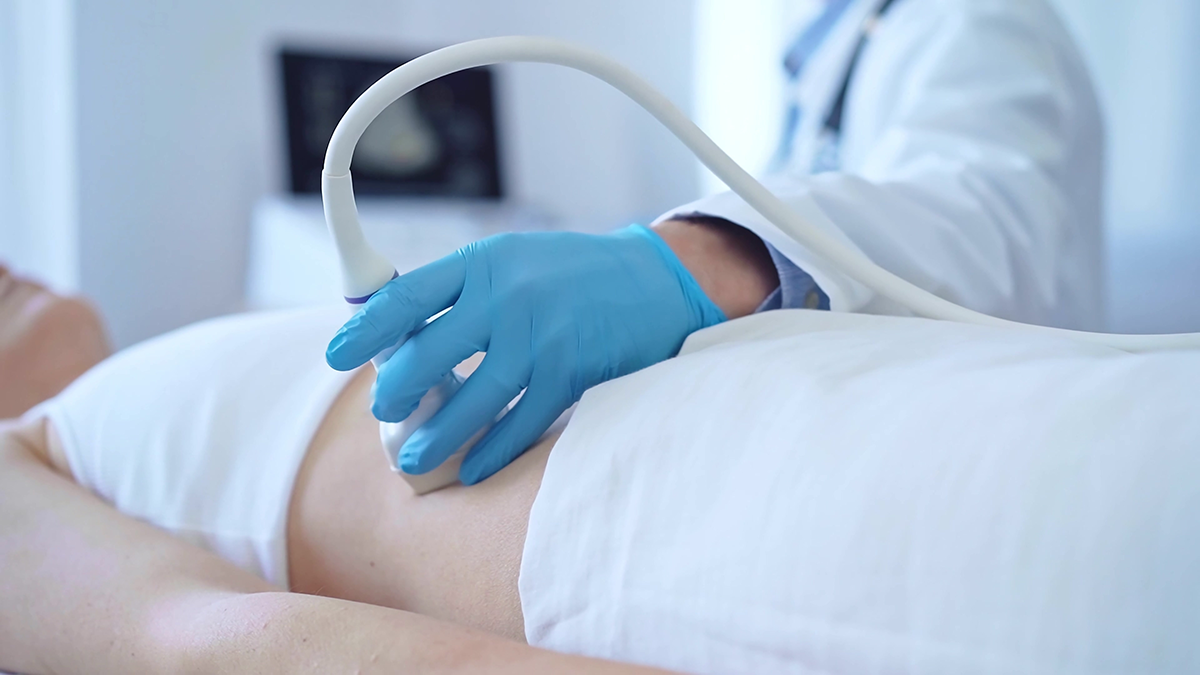
What Are the Treatment Options for a Recurrent Hernia?
When surgery is recommended, the choice of procedure depends on the type of recurrent hernia, the previous repair technique and the condition of the surrounding tissues.
Open Hernia Repair
Open surgery involves making an incision to access the hernia and repair the weakened abdominal wall. Depending on the circumstances, the surgeon may use mesh to reinforce the affected area.
This approach may be considered for certain large or complex recurrent hernias, particularly when previous operations have altered the surrounding anatomy.
Laparoscopic Hernia Repair
Laparoscopic surgery uses several small incisions through which a camera and specialised instruments are inserted to perform the repair.
For selected patients, this approach may allow the surgeon to access the hernia through a different tissue plane from the previous operation. However, suitability depends on factors such as the location of the recurrence, prior surgical procedures and the patient's medical condition.
For individuals considering hernia repair in Singapore, a surgical consultation can help clarify the available approaches, their potential risks and which option may be appropriate for the recurrent hernia.
Address Your Hernia Concerns at TheSurgeons
Although a recurrent hernia may raise concerns about needing another operation, surgery is not always necessary. Seeking a medical assessment can help determine the extent of the recurrence and whether monitoring or further treatment is appropriate.
At TheSurgeons, we provide assessment and hernia repair in Singapore, including the management of recurrent hernias. Dr Chew Min Hoe, senior consultant general and colorectal surgeon, considers each patient's surgical history, current symptoms and individual circumstances when discussing suitable treatment options.
If further surgery is being considered, understanding the available hernia surgery options and when minimally invasive hernia surgery may be suitable can help you prepare for a discussion about your care. If you suspect that your hernia has returned, book a consultation to have your symptoms assessed and discuss the appropriate next steps.
Frequently Asked Questions (FAQs) About Hernia Recurrence
Meet Our Doctor
Dr Chew Min HoeSenior ConsultantGeneral & Colorectal SurgeryMBBS (Singapore), MRCS (Edinburgh), MMed (Surgery), FRCS (Edinburgh)
Dr Chew Min Hoe is a colorectal surgeon with more than 25 years of experience in colonoscopy and colorectal surgery. His background includes senior surgical leadership roles in Singapore’s public healthcare sector, a fellowship at Royal Prince Alfred Hospital in Australia and more than 100 peer-reviewed publications.