


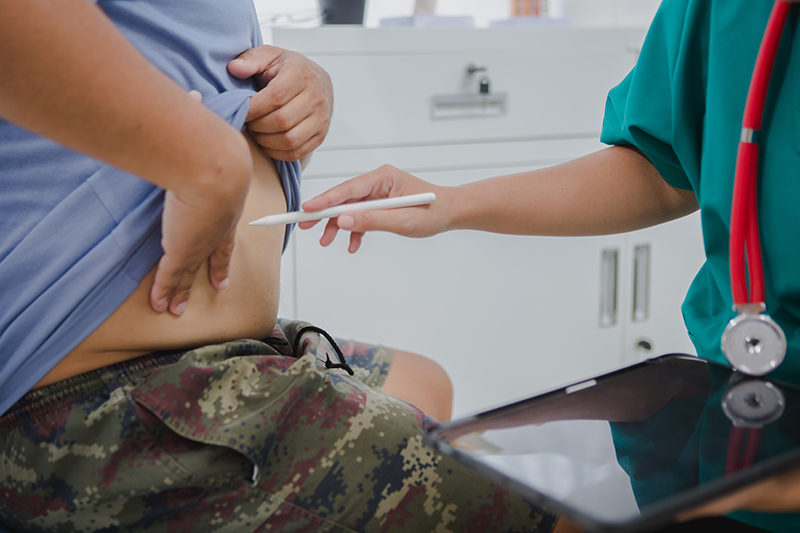
Understanding Hernias and When Surgery Is Considered
A hernia occurs when an internal organ or tissue pushes through a weakened area in the surrounding muscle or connective tissue. Common types include inguinal hernias in the groin, umbilical hernias near the navel and incisional hernias that develop at the site of a previous surgical scar.
In the early stages, a hernia may only cause mild discomfort. However, as it enlarges, symptoms such as pain during movement, a persistent bulge or a feeling of heaviness can become more pronounced. In some cases, complications such as obstruction or strangulation may arise, which require urgent medical attention. A consultation will help determine whether hernia surgery is appropriate based on the type, size and severity of the hernia.
Common Types Of Hernia Surgery
Open Hernia Repair
Laparoscopic Hernia Surgery
Inguinal Hernia Surgery
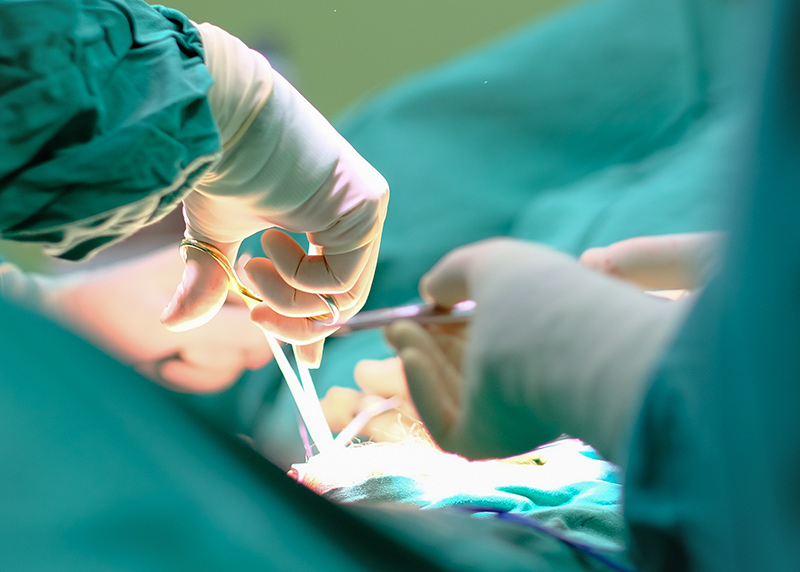
Inguinal hernia surgery focuses specifically on hernias that occur in the groin area, which are among the most common types. Both open and laparoscopic methods can be used to repair inguinal hernias. The choice of technique depends on factors such as whether the hernia is on one or both sides, previous repairs and overall health. Early treatment can help prevent complications and improve long-term outcomes.
Recovery and What to Expect After Surgery
Recovery following hernia surgery varies depending on the type of procedure performed and individual health factors. Minimally invasive approaches often allow for a quicker return to light activities, while open procedures may require a slightly longer recovery period.
Most patients are encouraged to resume gentle movement soon after surgery to support healing. Strenuous activity and heavy lifting are usually avoided for a period of time to reduce strain on the repair site.
Follow-up care is also important to monitor healing and address any concerns. With appropriate management, many individuals are able to return to their usual routines with reduced discomfort and a lower risk of recurrence.
Seeking a Professional Evaluation for Hernia Symptoms
Hernias may start as a mild and manageable concern, but they can gradually worsen if left untreated. Seeking early assessment can help reduce the risk of complications and support more effective treatment outcomes.
At Thesurgeons, a colorectal clinic in Singapore, hernia evaluation and treatment are approached with careful attention to each patient's symptoms, lifestyle and recovery needs. Medical consultations are led by Dr Chew Min Hoe, an experienced surgeon with expertise in minimally invasive procedures and the management of colorectal and abdominal conditions. For ongoing discomfort or uncertainty surrounding your symptoms, schedule a consultation to support timely diagnosis and help determine the most appropriate treatment approach.
Meet Our Colorectal Specialist in Singapore
Dr Chew Min HoeMedical DirectorSenior Consultant, General & Colorectal SurgeonMBBS (Singapore), MRCS (Edinburgh), MMed (Surgery), FRCS (Edinburgh)
Dr Chew Min Hoe has devoted over 25 years of service to the public sector and was the founding Head of the Department of Surgery at Sengkang General Hospital (SKH). His clinical speciality is General and Colorectal Surgery with special niche interests in colorectal cancer, advanced pelvic tumours, hereditary conditions as well as perianal surgery. He is highly involved in education and research and has published more than 100 peer-reviewed articles.