


When Are Conservative Treatments No Longer Enough?
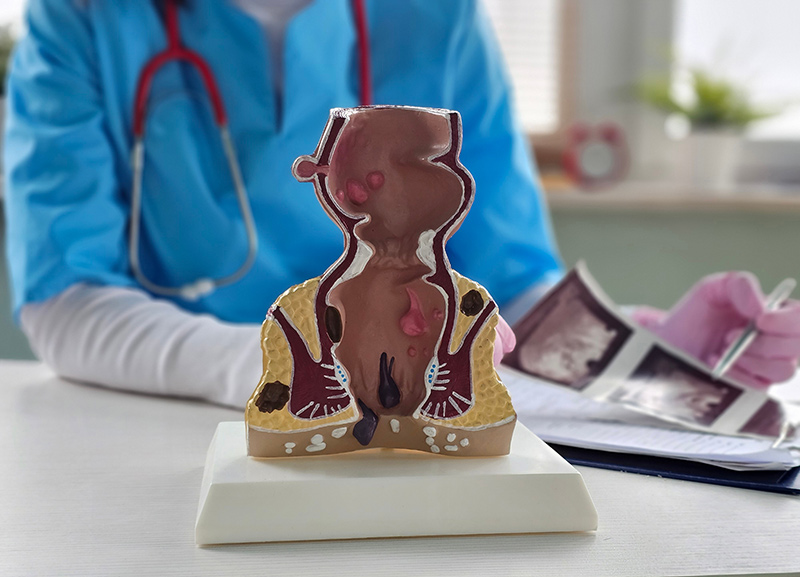
Lifestyle changes and non-surgical treatments are often the first step in managing haemorrhoids. However, some people may continue to experience symptoms despite following these measures. Further assessment may be needed when conservative treatment is no longer enough, particularly in the following situations:
Persistent or Recurrent Symptoms
If symptoms such as pain, itching, swelling or discomfort continue despite conservative treatment, further assessment may be needed. Frequent flare-ups can also affect daily activities and quality of life, particularly if symptoms repeatedly return after temporary improvement.
Frequent or Persistent Rectal Bleeding
Occasional bleeding may occur with haemorrhoids, particularly during bowel movements. However, frequent or persistent rectal bleeding should not be ignored. While haemorrhoids are a common cause, bleeding can also be associated with other colorectal conditions that may require further investigation before treatment is recommended.
Prolapsed or Thrombosed Haemorrhoids
Internal haemorrhoids may enlarge and prolapse, meaning they protrude outside the anus during or after bowel movements. In more advanced cases, they may no longer return inside on their own. External haemorrhoids can also become thrombosed when a blood clot forms within the haemorrhoid, causing sudden pain and swelling. Depending on the severity of the symptoms and clinical findings, interventional treatment may be considered.
Who May Benefit From Interventional Treatment?
While many haemorrhoids can be managed with conservative measures, some people are more likely to benefit from interventional treatment. This depends on factors such as the severity of the haemorrhoids, how much symptoms affect daily life and whether conservative treatment has been effective.
Patients With Higher-Grade Internal Haemorrhoids
Internal haemorrhoids are classified into four grades based on the degree of prolapse. Lower-grade haemorrhoids can often be managed with conservative treatment or minimally invasive procedures. However, Grade III and Grade IV haemorrhoids, which prolapse and may require manual reduction or cannot be pushed back into the anus, are more likely to require interventional treatment.
Patients Whose Symptoms Affect Daily Life
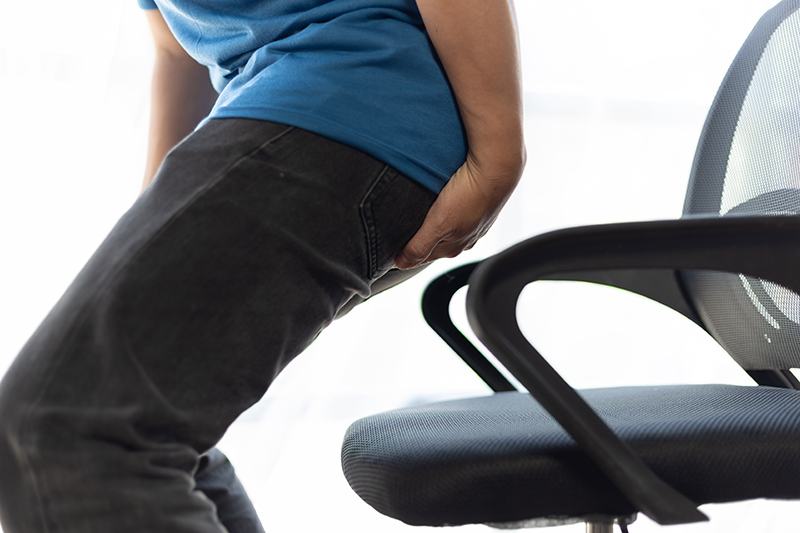
Haemorrhoid symptoms can make everyday activities such as sitting, exercising or passing bowel movements uncomfortable. When symptoms begin to interfere with daily life despite conservative treatment, interventional treatment may be considered to provide more lasting symptom relief.
Patients Who Have Not Responded to Conservative Treatment
Conservative treatment is often effective for mild haemorrhoids. However, some people continue to experience symptoms despite making dietary and lifestyle changes or using medications. When conservative measures do not provide adequate symptom relief, interventional treatment may offer a more effective long-term solution.
What Interventional Treatment Options Are Available?
Minimally Invasive Procedures
- Rubber band ligation: A small rubber band is placed around the base of the haemorrhoid to cut off its blood supply, causing it to shrink and eventually fall off.
- Sclerotherapy: A special solution is injected into the haemorrhoid to shrink the affected tissue over time.
Surgical Treatment for Haemorrhoids
For larger prolapsed haemorrhoids, recurrent symptoms or cases that do not respond to less invasive treatments, surgery may be recommended. A haemorrhoidectomy removes the affected haemorrhoidal tissue, while other surgical techniques may be suitable in selected cases depending on the clinical findings. Although surgery generally involves a longer recovery period than minimally invasive procedures, it may provide more definitive treatment for advanced haemorrhoids. As with any surgical procedure, risks are uncommon when performed by an experienced colorectal specialist but can still occur.
Recovery After Treatment
Recovery varies depending on the type of treatment performed and the extent of the haemorrhoids. While minimally invasive procedures often allow a quicker return to normal activities, surgical treatment may require a longer recovery period. Maintaining a high-fibre diet, staying hydrated and avoiding straining during bowel movements remain important after treatment to support healing and reduce the risk of recurrence.
Seek Timely Treatment for Persistent Haemorrhoids With Dr Chew Min Hoe
While many haemorrhoids improve with conservative measures, persistent or worsening symptoms may require interventional treatment. Seeking timely medical advice can help determine the cause of your symptoms and whether further treatment is appropriate based on the type and severity of your haemorrhoids.
At Thesurgeons, a colorectal clinic in Singapore, patients receive comprehensive assessment and management for haemorrhoids in a supportive and professional setting. Dr Chew Min Hoe takes the time to understand each patient's concerns, explain the available treatment options and recommend an approach tailored to their individual needs. If your haemorrhoid symptoms persist despite conservative treatment or continue to affect your daily life, schedule a consultation to discuss the most appropriate treatment options for your condition.
FAQs About Haemorrhoid Treatment
Meet Our Colorectal Specialist in Singapore
Dr Chew Min HoeMedical DirectorSenior Consultant, General & Colorectal SurgeonMBBS (Singapore), MRCS (Edinburgh), MMed (Surgery), FRCS (Edinburgh)
Dr Chew Min Hoe has devoted over 25 years of service to the public sector and was the founding Head of the Department of Surgery at Sengkang General Hospital (SKH). His clinical speciality is General and Colorectal Surgery with special niche interests in colorectal cancer, advanced pelvic tumours, hereditary conditions as well as perianal surgery. He is highly involved in education and research and has published more than 100 peer-reviewed articles.