


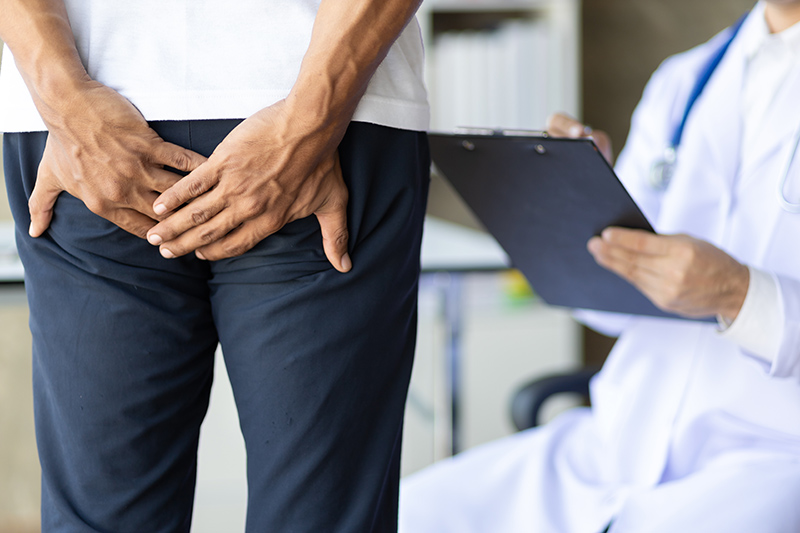
What Is a Haemorrhoidectomy?
A haemorrhoidectomy procedure removes haemorrhoids, which are swollen veins located in the lower rectum or around the anus. Surgery is typically considered when haemorrhoids are large, recurrent or causing persistent symptoms that do not improve with non-surgical treatment.
This may include:
- Ongoing rectal bleeding
- Pain or discomfort during bowel movements
- Prolapsed haemorrhoids that do not return inside naturally
- Recurrent swelling or irritation
- Difficulty maintaining hygiene due to enlarged haemorrhoids
While many haemorrhoids can be managed conservatively, surgery may provide more lasting relief in more advanced cases.
Types of Haemorrhoidectomy Procedures
Conventional Haemorrhoidectomy
Stapled Haemorrhoidopexy
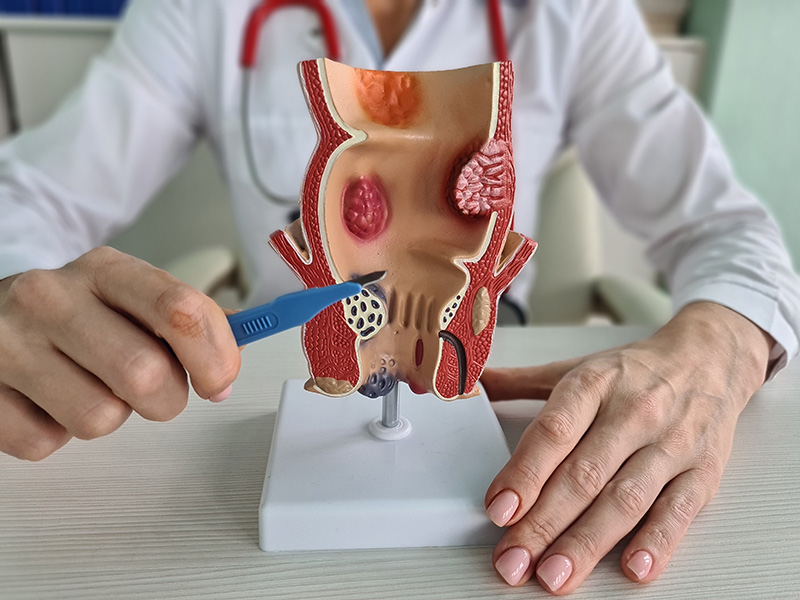
Transanal Haemorrhoidal Dearterialisation (THD)
Transanal Haemorrhoidal Dearterialisation, commonly known as THD, is a minimally invasive procedure designed to reduce blood flow to the haemorrhoids. During the procedure, a Doppler ultrasound probe is used to identify the arteries supplying blood to the haemorrhoidal tissue. Once located, these arteries are tied off, which reduces circulation to the haemorrhoids and causes them to gradually shrink.
Ligasure Haemorrhoidectomy
Ligasure haemorrhoidectomy is an advanced surgical technique that uses specialised energy-based technology to remove haemorrhoidal tissue. A dedicated device applies controlled heat energy to seal blood vessels during the procedure, which may help reduce bleeding while allowing precise tissue removal. This approach is designed to minimise damage to surrounding tissue during surgery.
Laser Haemorrhoidoplasty
Laser haemorrhoidoplasty is a newer minimally invasive approach that uses laser energy to treat haemorrhoidal tissue through a small incision. During the procedure, a laser probe is inserted into the haemorrhoid to shrink the tissue from within. Early outcomes suggest that this technique may offer symptom relief comparable to other surgical methods while potentially resulting in less post-operative discomfort for some patients.
What to Expect Before and During Surgery
Before surgery, patients usually undergo a consultation and physical examination to confirm the diagnosis and assess the severity of the haemorrhoids. Additional investigations such as a colonoscopy may sometimes be recommended, especially if rectal bleeding is present and other bowel conditions need to be excluded.
Patients are typically advised on:
- Fasting requirements before surgery
- Temporary adjustments to medications if needed
- Bowel preparation instructions where applicable
- Expected recovery timeline after the procedure
Most haemorrhoidectomy procedures are performed as day surgery or may require a short hospital stay depending on the complexity of the operation and the patient's recovery immediately afterwards.
Recovery After a Haemorrhoidectomy
Recovery experiences vary depending on the type of procedure performed and the extent of surgery. It is common to experience some discomfort, swelling or mild bleeding during the initial healing period. Medication may be prescribed to help control discomfort, particularly during bowel movements. Patients are also usually encouraged to maintain soft stools through adequate hydration, fibre intake and stool softeners where necessary.
Other general recovery advice may include:
- Taking warm sitz baths to soothe the area
- Avoiding straining during bowel movements
- Gradually returning to normal activities
- Avoiding heavy lifting during early recovery
Many patients can resume light daily activities within one to two weeks, although complete healing may take several weeks depending on the procedure performed.
Seeking Specialist Care for Haemorrhoids
Persistent haemorrhoid symptoms can be uncomfortable and, in some cases, may overlap with other colorectal conditions that require medical evaluation. Understanding the available treatment options, including when surgery may be appropriate, allows patients to make more informed decisions about their care and recovery.
At Thesurgeons, a colorectal clinic in Singapore, patients are supported with detailed colorectal evaluation and tailored management for haemorrhoids and related digestive conditions. Care is led by Dr Chew Min Hoe, an experienced colorectal specialist with expertise in colonoscopy and the management of digestive and colorectal disorders. Whether symptoms involve rectal bleeding, prolapse or ongoing discomfort, scheduling a consultation can provide greater clarity on your condition and the available treatment approaches.
Meet Our Colorectal Specialist in Singapore
Dr Chew Min HoeMedical DirectorSenior Consultant, General & Colorectal SurgeonMBBS (Singapore), MRCS (Edinburgh), MMed (Surgery), FRCS (Edinburgh)
Dr Chew Min Hoe has devoted over 25 years of service to the public sector and was the founding Head of the Department of Surgery at Sengkang General Hospital (SKH). His clinical speciality is General and Colorectal Surgery with special niche interests in colorectal cancer, advanced pelvic tumours, hereditary conditions as well as perianal surgery. He is highly involved in education and research and has published more than 100 peer-reviewed articles.