
Why Some Hernias Cause Little or No Discomfort

What Changes When a Hernia Starts to Hurt
Several changes can make a previously painless hernia more noticeable or uncomfortable.
Changes in the Size or Position of the Hernia
A hernia may gradually become larger as more tissue pushes through the weakened area. As the bulge changes, additional tension can develop around the opening and surrounding tissues, which may lead to aching, tenderness or a pulling sensation.
A hernia that becomes increasingly difficult to push back in may also warrant reassessment. Changes in size and reducibility—whether the hernia can return to its usual position—can influence how a healthcare professional approaches management.
Increased Abdominal Pressure and Physical Strain
Activities that increase pressure within the abdomen can make a previously painless hernia more uncomfortable. Coughing, heavy lifting, straining during bowel movements or certain exercises may place additional pressure on the weakened area, causing aching, tenderness or a pulling sensation.
Discomfort may become more noticeable during physical activity, prolonged standing or movements that engage the abdominal muscles. Although this does not necessarily indicate a serious complication, recurring pain during everyday activities may suggest that the hernia is becoming more symptomatic.
Recognising Changes That May Signal a Complication
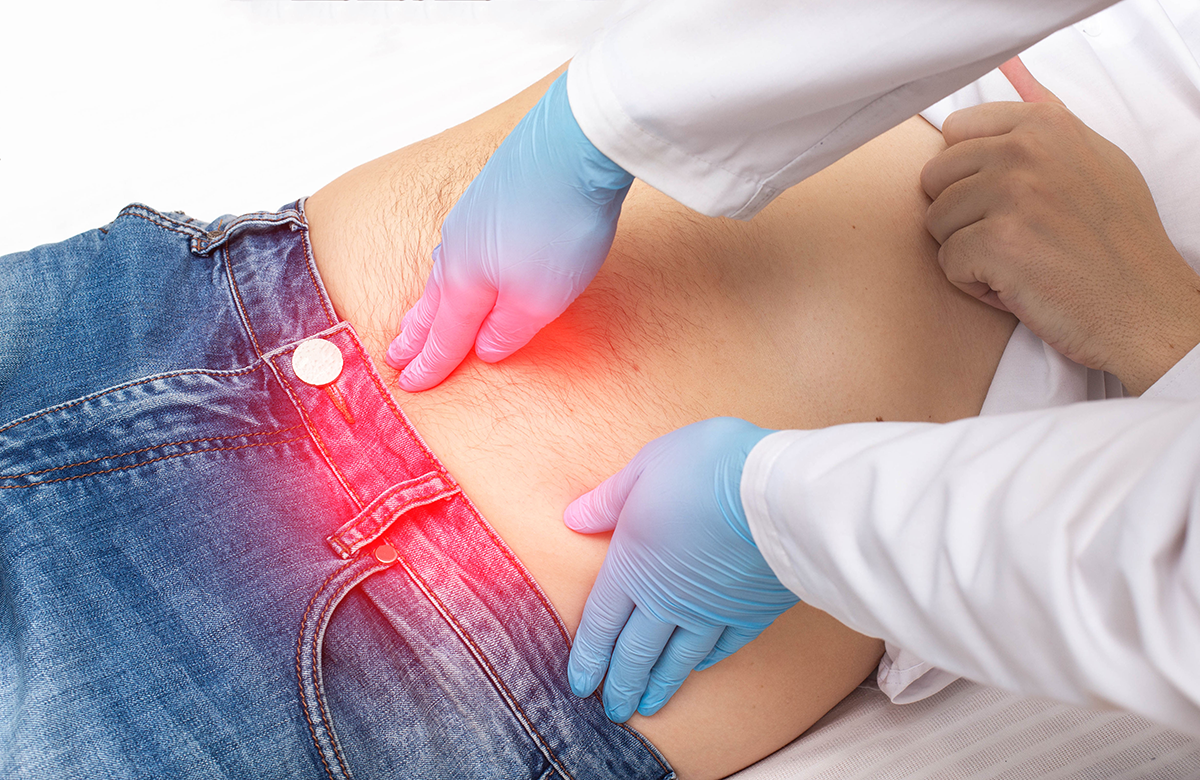
How New Symptoms May Influence Hernia Treatment
A hernia that causes little or no discomfort may sometimes be monitored rather than treated immediately, depending on the type of hernia and the patient's circumstances. However, when pain develops or begins to interfere with daily activities, the balance between continued observation and surgical treatment may change.
During an assessment, a doctor may examine the hernia, review how your symptoms have changed and determine whether there are signs of complications. Factors such as the hernia's location, size, reducibility and impact on daily activities can help guide treatment decisions.
New pain does not automatically mean that surgery is necessary. However, if symptoms persist, worsen or affect your quality of life, hernia surgery in Singapore may be considered after weighing the potential benefits and risks against your overall health and clinical findings.
The aim is to determine whether continued monitoring remains appropriate or whether surgical repair would be a more suitable option.
Get New Hernia Pain Assessed at TheSurgeons
It can be unsettling when a hernia that once caused little concern begins to hurt. While the change may not necessarily indicate something serious, understanding what is happening can provide clarity, address your concerns and help determine the most appropriate next steps.
At TheSurgeons, we provide assessment and treatment for a range of general and colorectal surgical conditions, including hernia surgery in Singapore. Dr Chew Min Hoe, senior consultant general and colorectal surgeon, has a clinical focus on general and colorectal surgery. His approach prioritises patient welfare, with care tailored to each individual's condition and needs.
If your previously painless hernia has started hurting, book an appointment with us for an evaluation and to discuss your treatment options.
FAQs About Changes in Hernia Symptoms
Meet Our Doctor
Dr Chew Min HoeSenior ConsultantGeneral & Colorectal SurgeryMBBS (Singapore), MRCS (Edinburgh), MMed (Surgery), FRCS (Edinburgh)
Dr Chew Min Hoe is a colorectal surgeon with more than 25 years of experience in colonoscopy and colorectal surgery. His background includes senior surgical leadership roles in Singapore’s public healthcare sector, a fellowship at Royal Prince Alfred Hospital in Australia and more than 100 peer-reviewed publications.