


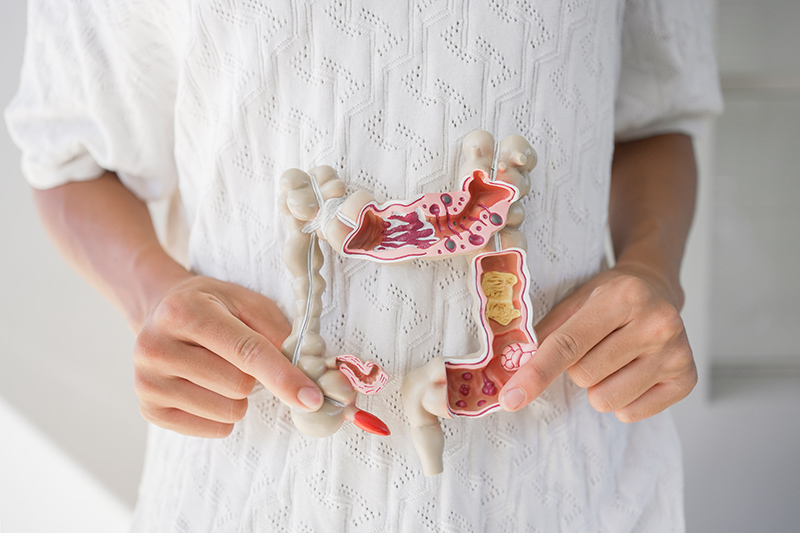
Why Can Delaying a Colonoscopy Increase Health Risks?
Many people postpone colonoscopy screening because they feel well, are concerned about colonoscopy preparation, are unsure about the cost of a colonoscopy or assume their risk is low. However, colorectal cancer often develops without noticeable symptoms in its early stages, making routine screening an important part of preventive healthcare.
Timely screening is important because it can detect polyps, which are small growths that develop on the lining of the colon or rectum. While most polyps are non-cancerous, some may develop into colorectal cancer over time if they are left untreated.
If screening is delayed, these changes may continue to develop unnoticed. Detecting them earlier may allow for more timely treatment and, in some cases, suitable polyps can be removed during the same procedure before they progress further.
For people who already have colorectal disease, delaying a colonoscopy may also postpone diagnosis and treatment, which may cause symptoms to worsen or the condition to progress.
Symptoms That May Indicate You Need a Colonoscopy
While some colorectal conditions do not cause symptoms in their early stages, others may present with warning signs that warrant medical attention. If you notice any of the following symptoms, it is important to seek medical advice promptly:
- Blood in the stool
- Persistent constipation or diarrhoea
- Changes in bowel habits
- Pencil-thin stools
- Unexplained weight loss
- Ongoing abdominal discomfort
- Unexplained anaemia
These symptoms may be caused by conditions other than colorectal cancer, but they should not be ignored. Seeking medical attention promptly can help determine the underlying cause and whether further investigation, including a colonoscopy, is needed.
Who Should Prioritise Colonoscopy Screening?
Age and Personal Risk Factors
Family History and Symptoms
A family history of colorectal cancer or colorectal polyps may increase your risk of developing the disease. Colonoscopy may also be recommended if you experience rectal bleeding, persistent changes in bowel habits or unexplained weight loss, as these may require further investigation.
Positive FIT Results
For individuals at average risk, stool-based screening tests such as the faecal immunochemical test (FIT) may be appropriate in certain situations. However, if the FIT detects hidden blood in the stool, a colonoscopy is usually recommended to identify the underlying cause. Unlike stool-based tests, a colonoscopy allows the entire colon to be examined and enables suitable polyps to be removed during the same procedure if they are found.
How Can Colonoscopy Screening Protect Your Colorectal Health?
A colonoscopy does more than examine the colon and rectum. It helps identify abnormalities that may require monitoring or treatment and, in some cases, allows certain polyps to be removed during the same procedure. This makes it an important tool for detecting colorectal conditions and helping reduce the risk of colorectal cancer.
Detecting Colorectal Conditions
A colonoscopy can identify a range of conditions affecting the colon and rectum, including colorectal polyps, colorectal cancer, inflammatory bowel disease and diverticular disease. It may also help determine the source of rectal bleeding and detect other abnormalities that require further assessment.
Removing Polyps and Taking Biopsies
If appropriate, polyps found during the colonoscopy may be removed during the same procedure and sent for laboratory analysis. Tissue samples (biopsies) may also be taken where appropriate to help confirm a diagnosis or guide treatment.
Results and Follow-Up
Following the procedure, the findings are reviewed to determine whether further investigations, treatment or follow-up care are recommended based on the results.
Protect Your Colorectal Health With Dr Chew Min Hoe
Timely colonoscopy screening may help detect colorectal conditions before they become more advanced, allowing appropriate management where needed. Seeking timely medical advice may help determine whether screening is appropriate based on your age, symptoms and individual risk factors.
At Thesurgeons, a colorectal clinic in Singapore, colorectal screening and care are tailored to each patient's medical history, risk profile and healthcare needs. Medical consultations are led by Dr Chew Min Hoe, an experienced colorectal surgeon with expertise in the diagnosis and management of colorectal conditions, including colorectal cancer. If you are due for screening or have concerns about your colorectal health, schedule a consultation to discuss whether a colonoscopy is recommended and the most appropriate next steps.
FAQs About Timely Colonoscopy Screening
Meet Our Colorectal Specialist in Singapore
Dr Chew Min HoeMedical DirectorSenior Consultant, General & Colorectal SurgeonMBBS (Singapore), MRCS (Edinburgh), MMed (Surgery), FRCS (Edinburgh)
Dr Chew Min Hoe has devoted over 25 years of service to the public sector and was the founding Head of the Department of Surgery at Sengkang General Hospital (SKH). His clinical speciality is General and Colorectal Surgery with special niche interests in colorectal cancer, advanced pelvic tumours, hereditary conditions as well as perianal surgery. He is highly involved in education and research and has published more than 100 peer-reviewed articles.