


Key Takeaways
- Colorectal cancer risk increases from around age 45 onwards.
- Screening may be recommended earlier for higher-risk individuals.
- Colonoscopy can detect and remove polyps before they become cancerous.
- Early-stage bowel cancer often has no obvious symptoms.
- Family history and long-term bowel conditions influence screening timing.

Why Screening Should Start at Age 45
- Identify polyps at an early stage
- Remove abnormal growths before progression
- Detect cancer when it is most treatable
- Reduce long-term risk through prevention
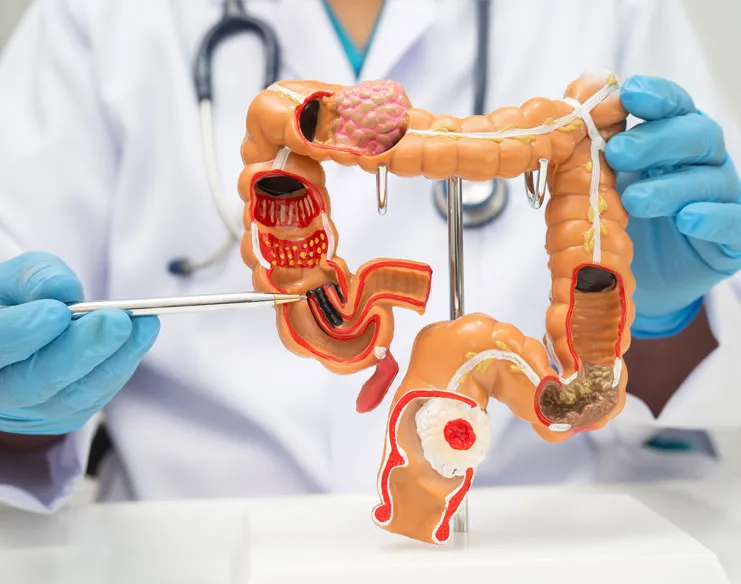
Who May Need Colonoscopy Earlier Than Age 45?
While age 45 is a common starting point for screening, some individuals may need a colonoscopy earlier due to increased risk. In these cases, assessment is often guided by a colorectal cancer surgeon to ensure timely and appropriate screening based on personal medical history and risk profile.
Higher-risk groups include:
Family History of Colorectal Cancer
If a parent, sibling or child has had bowel cancer, your risk is higher than average. Screening may begin earlier and be done more frequently.
Previous Polyps or Abnormal Findings
A history of polyps increases the likelihood of new growths developing over time. Regular surveillance is usually recommended.
Long-term Bowel Conditions
Conditions such as ulcerative colitis or Crohn’s disease involving the colon can raise cancer risk due to chronic inflammation.
Genetic Predisposition
Certain inherited syndromes significantly increase the risk of early-onset colorectal cancer. These cases require specialist-led screening plans.
Persistent bowel symptoms
Symptoms such as rectal bleeding, unexplained anaemia or ongoing changes in bowel habits should not be ignored, regardless of age.
What Early Detection Actually Prevents
Most colorectal cancers begin as benign polyps. These growths can take several years to develop into cancer. When detected early, they can be removed safely during a colonoscopy.
Early detection helps prevent:
- Progression of polyps into colorectal cancer
- Late-stage diagnosis requiring more intensive treatment
- Complications linked to advanced disease
- Missed opportunities for timely intervention
Colonoscopy vs Symptom-Based Diagnosis
One of the challenges with colorectal cancer is that early stages often produce no symptoms. When symptoms do appear, the disease may already be more advanced.
Common misconceptions include waiting for:
- Pain or discomfort
- Noticeable bowel changes
- Visible blood in stool
In reality, these signs are not reliable indicators of early disease. This is why screening plays such an important role even in people who feel well.
Making an Informed Decision with Dr Chew Min Hoe
Colonoscopy after age 45 is not a fixed rule for everyone, but it is a widely recommended starting point for colorectal cancer screening. Some individuals may need earlier assessment depending on their risk factors. The main goal is early detection, which can improve outcomes and reduce long-term risk.
If you are unsure whether to begin screening or require earlier testing, seeking medical advice can provide clarity. Schedule a consultation at Thesurgeons, led by Dr Chew Min Hoe, for focused, specialist guidance to help you make informed decisions about colorectal cancer screening and next steps in care.
Frequently Asked Questions About Colonoscopy After Age 45
Meet Our Colorectal Specialist in Singapore
Dr Chew Min HoeMedical DirectorSenior Consultant, General & Colorectal SurgeonMBBS (Singapore), MRCS (Edinburgh), MMed (Surgery), FRCS (Edinburgh)
Dr Chew Min Hoe has devoted over 25 years of service to the public sector and was the founding Head of the Department of Surgery at Sengkang General Hospital (SKH). His clinical speciality is General and Colorectal Surgery, with niche interests in colorectal cancer, advanced pelvic tumours, hereditary conditions, and perianal surgery. He is highly involved in education and research, and has published more than 100 peer-reviewed articles.