


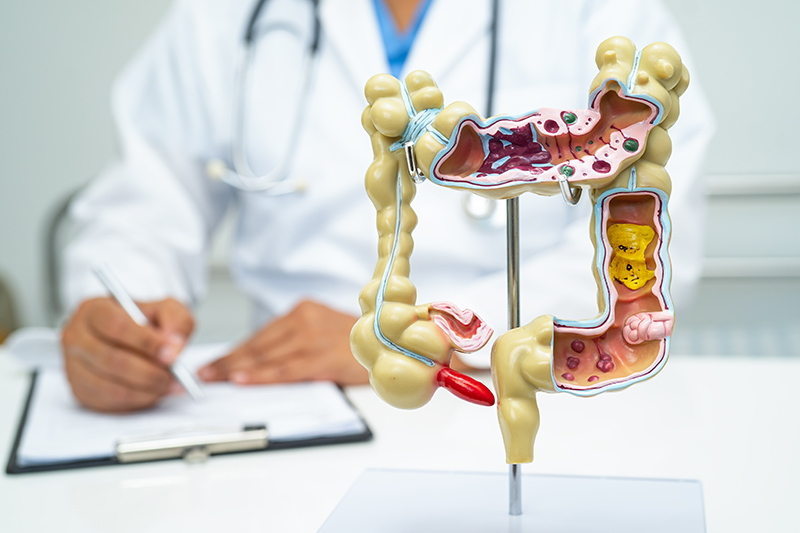
Understanding What a Colorectal Clinic Treats
A colorectal clinic focuses on conditions affecting the large intestine, rectum and anus. This includes common issues such as haemorrhoids and anal fissures as well as more complex conditions like inflammatory bowel disease and colorectal cancer.
A visit to a colorectal specialist may involve evaluation of symptoms, physical examination and diagnostic procedures such as colonoscopy. The aim is to determine the cause of symptoms and recommend appropriate treatment, whether medical or surgical.
Common Symptoms That Should Not Be Ignored
Rectal Bleeding

Changes in Bowel Habits
Persistent changes in bowel habits can include diarrhoea, constipation or alternating patterns between the two. If these changes last for more than a few weeks, it may indicate an underlying digestive condition that requires further evaluation. A noticeable change in stool consistency or frequency should also be discussed with a specialist, especially if it is accompanied by other symptoms.
Abdominal Pain or Discomfort
Ongoing abdominal pain, bloating or cramping should not be ignored, particularly if the discomfort is localised or becomes progressively worse over time. While mild digestive discomfort can occur occasionally, persistent or unexplained pain may require further investigation to rule out conditions affecting the colon or rectum.
Unexplained Weight Loss or Fatigue
Unintentional weight loss or ongoing fatigue can sometimes be linked to digestive conditions that affect nutrient absorption or cause chronic inflammation. When these symptoms occur alongside changes in bowel habits or abdominal discomfort, a colorectal evaluation may be recommended.
Sensation of Incomplete Bowel Emptying
A persistent feeling that the bowel has not fully emptied after a movement may indicate a blockage, inflammation or other colorectal condition. This symptom is particularly relevant when it occurs frequently or is accompanied by straining or discomfort.
When to Book a Colorectal Consultation
It can sometimes be difficult to decide when symptoms warrant a medical visit. A useful approach is to consider duration, severity and frequency.
A consultation at a colorectal clinic is advisable when:
- Symptoms persist for more than two to three weeks
- Rectal bleeding occurs repeatedly or without a known cause
- There are noticeable and ongoing changes in bowel habits
- Abdominal pain does not improve or worsens over time
- There is unexplained weight loss or fatigue
- Bowel movements feel incomplete or difficult
What to Expect During a Colorectal Assessment
A visit to a colorectal specialist typically begins with a detailed discussion of symptoms, medical history and lifestyle factors. This helps the doctor understand potential causes and determine the next steps in investigation.
A physical examination may be performed, followed by diagnostic tests if needed. One of the most common investigations is a colonoscopy, which allows the specialist to examine the lining of the colon and rectum in detail. Additional imaging or laboratory tests may also be recommended depending on the individual's condition.
Taking the First Step Towards Better Digestive Health
Digestive symptoms are often dismissed as short-term discomfort, yet in some cases they may signal underlying conditions that warrant medical attention. Recognising when to seek input from a colorectal specialist can support earlier diagnosis, more targeted treatment and better long-term health outcomes.
At Thesurgeons, a colorectal clinic in Singapore, individuals experiencing digestive or bowel-related concerns receive thorough investigation and personalised medical recommendations based on their symptoms and condition. Clinical evaluation is provided by Dr Chew Min Hoe, an experienced colorectal specialist with expertise in colonoscopy and the diagnosis and management of digestive and colorectal disorders. For persistent rectal bleeding, ongoing abdominal discomfort or unexplained changes in bowel habits, schedule a consultation for a clearer understanding of your condition and greater confidence in the next steps towards treatment and recovery.
Meet Our Colorectal Specialist in Singapore
Dr Chew Min HoeMedical DirectorSenior Consultant, General & Colorectal SurgeonMBBS (Singapore), MRCS (Edinburgh), MMed (Surgery), FRCS (Edinburgh)
Dr Chew Min Hoe has devoted over 25 years of service to the public sector and was the founding Head of the Department of Surgery at Sengkang General Hospital (SKH). His clinical speciality is General and Colorectal Surgery with special niche interests in colorectal cancer, advanced pelvic tumours, hereditary conditions as well as perianal surgery. He is highly involved in education and research and has published more than 100 peer-reviewed articles.