


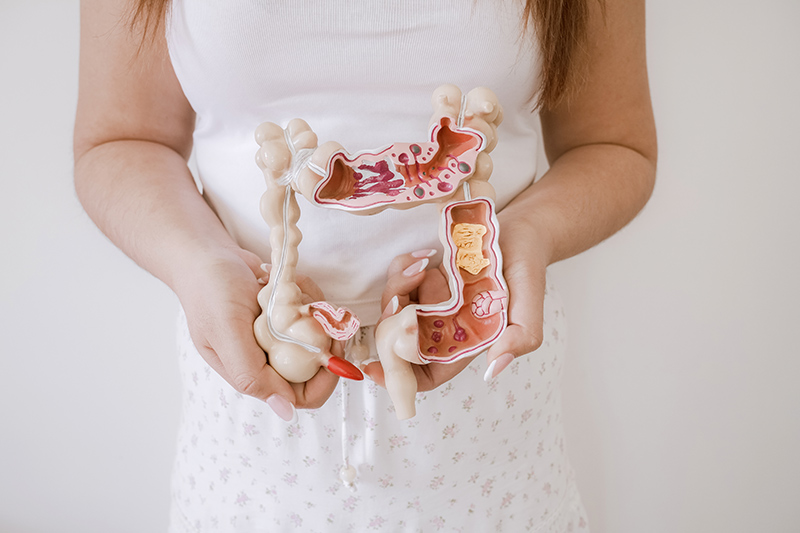
What Is Colonoscopy Screening?
A colonoscopy is a procedure that uses a thin flexible tube fitted with a camera to examine the colon and rectum. It provides a clear view of the intestinal lining, allowing the specialist to identify changes that may not be visible through other tests.
The procedure is commonly recommended for colorectal cancer screening, particularly for individuals above a certain age or those with risk factors. It may also be advised when symptoms such as bleeding, persistent abdominal discomfort or changes in bowel habits are present. In many cases, it is performed under sedation to ensure comfort.
Conditions That a Colonoscopy Can Detect
A colonoscopy is not limited to identifying a single condition. It offers a detailed assessment of the colon and can reveal a range of abnormalities that may require monitoring or treatment.
Colorectal Polyps
Polyps are small growths that form on the lining of the colon. While many polyps are benign, some have the potential to develop into colorectal cancer over time.
One of the key benefits of colonoscopy screening is that these polyps can be detected and removed during the same procedure. Early removal reduces the risk of progression and plays an important role in cancer prevention.
Colorectal Cancer
Colonoscopy is widely regarded as a gold standard for detecting colorectal cancer. It allows direct visualisation of suspicious growths or lesions within the colon and rectum. If an abnormal area is identified, a biopsy can be taken for further analysis. Detecting colorectal cancer at an early stage often improves treatment outcomes and broadens the range of available management options.
Inflammatory Bowel Conditions
Conditions such as ulcerative colitis and Crohn's disease, which fall under inflammatory bowel disease, can cause ongoing inflammation within the digestive tract. These conditions may lead to symptoms including diarrhoea, abdominal pain and rectal bleeding. A colonoscopy helps assess the extent and severity of inflammation, guiding both diagnosis and long-term management.
Diverticular Disease
Diverticula are small pouches that can form in the wall of the colon. While they may not always cause symptoms, inflammation or infection can lead to discomfort, changes in bowel habits or complications. Through colonoscopy, these structural changes can be identified and monitored, helping to inform appropriate care.
Sources of Gastrointestinal Bleeding
Rectal bleeding or blood in the stool can arise from various causes, ranging from haemorrhoids to more significant conditions. A colonoscopy allows the specialist to locate the source of bleeding within the colon.
Unexplained Changes in Bowel Habits
Persistent constipation, diarrhoea or a noticeable change in stool pattern may signal an underlying issue within the colon. While lifestyle factors can play a role, ongoing changes should not be ignored. A colonoscopy provides a direct way to evaluate the colon and identify possible causes behind these symptoms.
When Should You Consider a Colonoscopy?
- Blood in the stool or rectal bleeding
- Persistent abdominal discomfort
- Unexplained weight loss
- Changes in bowel habits that last several weeks
- A family history of colorectal cancer or polyps

Taking a Proactive Approach to Digestive Health
A colonoscopy offers valuable insight into the health of the colon, allowing conditions such as polyps, cancer and inflammatory changes to be detected early. Understanding what this procedure can reveal helps individuals make informed decisions about when to seek further evaluation.
At Thesurgeons, a colorectal clinic in Singapore, patients undergo thorough digestive evaluation and personalised colonoscopy screening tailored to individual risk factors and symptoms. Colonoscopy services are provided by Dr Chew Min Hoe, a colorectal specialist with expertise in colonoscopy and the diagnosis and management of digestive and colorectal conditions. Schedule a consultation to better understand your colorectal health and the appropriate next steps for ongoing care.
Meet Our Colorectal Specialist in Singapore
Dr Chew Min HoeMedical DirectorSenior Consultant, General & Colorectal SurgeonMBBS (Singapore), MRCS (Edinburgh), MMed (Surgery), FRCS (Edinburgh)
Dr Chew Min Hoe has devoted over 25 years of service to the public sector and was the founding Head of the Department of Surgery at Sengkang General Hospital (SKH). His clinical speciality is General and Colorectal Surgery with special niche interests in colorectal cancer, advanced pelvic tumours, hereditary conditions as well as perianal surgery. He is highly involved in education and research and has published more than 100 peer-reviewed articles.