
Key Takeaways
- A gastroscopy examines the oesophagus, stomach and duodenum.
- It helps diagnose the cause of persistent upper digestive symptoms.
- Tissue samples can be collected during the procedure when needed.
- Early investigation may detect conditions before they become more advanced.
What Can a Gastroscopy Detect?
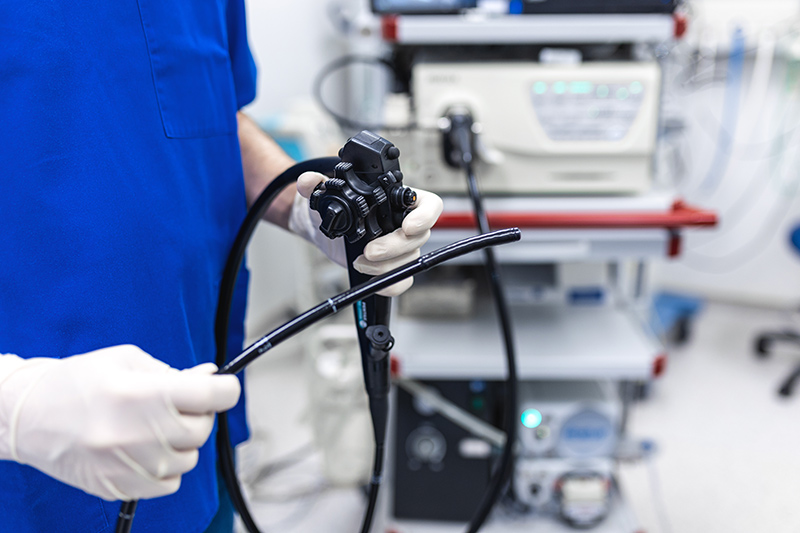
A gastroscopy can identify a range of conditions affecting the oesophagus, stomach and duodenum. It also allows tissue samples to be collected when further investigation is needed.
Gastritis
A gastroscopy can identify inflammation, irritation and damage to the stomach lining caused by gastritis. It may also help determine whether further testing, including a biopsy or Helicobacter pylori testing, is required.
Stomach and Duodenal Ulcers
A gastroscopy can locate ulcers in the stomach or duodenum and assess their size, severity and whether they are actively bleeding. It also helps identify possible underlying causes, such as Helicobacter pylori infection.
Gastro-oesophageal Reflux Disease (GORD)
Persistent acid reflux can damage the lining of the oesophagus. A gastroscopy can detect inflammation, known as oesophagitis, and identify complications associated with long-standing GORD.
Barrett's Oesophagus
A gastroscopy can detect changes to the lining of the lower oesophagus associated with Barrett's oesophagus. Tissue samples may be taken to assess for precancerous changes where indicated.
Coeliac Disease
When coeliac disease is suspected, a gastroscopy allows tissue samples to be taken from the duodenum to confirm the diagnosis and assess damage to the lining of the small intestine.
Upper Digestive Tract Cancers
A gastroscopy can identify suspicious growths or abnormal areas within the oesophagus, stomach and duodenum. If cancer is suspected, a biopsy can be performed during the same procedure to confirm the diagnosis.
When Is a Gastroscopy Recommended?
Persistent Upper Digestive Symptoms
- Persistent indigestion
- Upper abdominal pain
- Ongoing heartburn or acid reflux
- Persistent nausea or vomiting
Warning Signs That Should Not Be Ignored
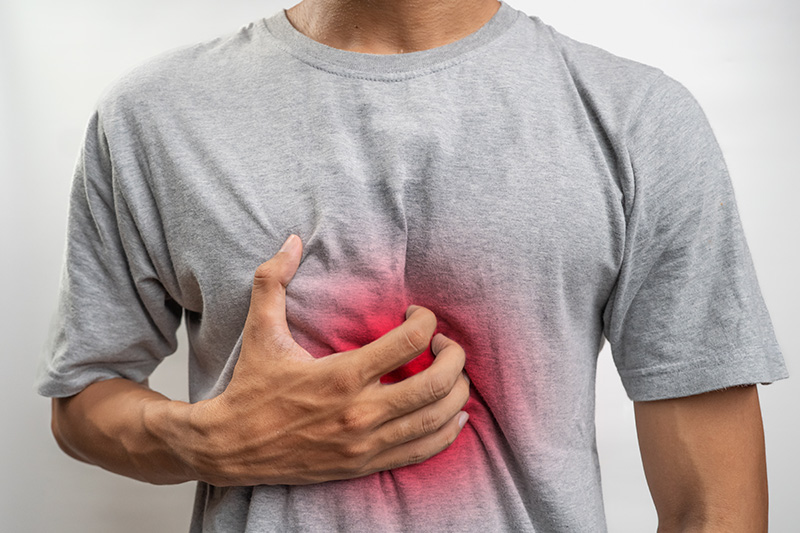
These symptoms may indicate a more serious underlying condition and should be assessed promptly.
- Difficulty or pain when swallowing
- Vomiting blood
- Black, tarry stools
- Unexplained iron deficiency anaemia
- Unexplained weight loss
- Symptoms that do not improve with medication
Your doctor will recommend a gastroscopy based on your symptoms, medical history and individual risk factors.
Getting Answers for Persistent Digestive Symptoms
Persistent upper digestive symptoms should not be ignored, particularly when they continue despite medication or begin affecting your daily life. A gastroscopy can help identify the underlying cause, allowing treatment to be guided by an accurate diagnosis rather than symptoms alone.
At Thesurgeons, a colorectal clinic in Singapore, Dr Chew Min Hoe helps patients find answers to persistent upper digestive symptoms through careful clinical assessment and diagnostic gastroscopy where indicated. Once a diagnosis has been established, treatment recommendations are tailored to your condition and individual needs. Schedule a consultation to discuss the most appropriate next steps.
Frequently Asked Questions (FAQs) About Gastroscopy
Meet Our Colorectal Specialist in Singapore
Dr Chew Min HoeMedical DirectorSenior Consultant, General & Colorectal SurgeonMBBS (Singapore), MRCS (Edinburgh), MMed (Surgery), FRCS (Edinburgh)
Dr Chew Min Hoe has devoted over 25 years of service to the public sector and was the founding Head of the Department of Surgery at Sengkang General Hospital (SKH). His clinical specialty is General and Colorectal Surgery with special niche interests in colorectal cancer, advanced pelvic tumours, hereditary conditions as well as perianal surgery. He is highly involved in education and research, and has published more than 100 peer-reviewed articles.