
Key Takeaways
- Ulcerative colitis causes bloody diarrhoea when inflammation and ulcers in the colon lead to bleeding and interfere with normal bowel function.
- Symptoms may persist or recur during flare-ups if intestinal inflammation remains active.
- Associated symptoms can include abdominal cramps, rectal urgency, mucus in stools, fatigue and unintended weight loss.
- Persistent bleeding requires medical assessment, while heavy bleeding, severe abdominal pain or fainting warrant emergency care.
- Blood tests, stool tests and endoscopic examinations may help doctors assess inflammation, investigate other causes and guide treatment decisions.

How Does Ulcerative Colitis Lead to Bloody Diarrhoea?
Ulcerative colitis causes bloody diarrhoea because inflammation damages the inner lining of the colon and rectum. This can lead to small ulcers and fragile tissue that bleeds, allowing blood to mix with stool.
Inflammation also interferes with the colon's normal ability to absorb water and can increase bowel movement frequency. As a result, stools may become loose or watery. When bleeding occurs alongside these changes, patients may experience bloody diarrhoea.
The amount of visible blood and severity of diarrhoea can vary depending on the extent and activity of inflammation.
Why Can Bloody Diarrhoea Persist During an Ulcerative Colitis Flare-Up?
Bloody diarrhoea may continue during an ulcerative colitis flare-up when inflammation has not sufficiently subsided. Although the frequency of bowel movements and amount of bleeding may vary from day to day, the intestinal lining may remain inflamed even when symptoms temporarily improve.
The duration and severity of symptoms depend on the extent of inflammation and how the body responds to treatment. If bloody diarrhoea continues despite treatment, further medical evaluation may be needed to assess disease activity and determine whether adjustments to the treatment plan are appropriate.
What Other Symptoms May Accompany Persistent Bloody Diarrhoea?
Persistent bloody diarrhoea may be accompanied by abdominal pain, cramping, rectal urgency, mucus in stools, fatigue and unintended weight loss. The combination and severity of these symptoms can vary depending on the extent of intestinal inflammation and how the condition affects bowel function.
| Symptom | How It May Affect Patients |
|---|---|
| Abdominal pain and cramping | Inflammation in the colon can cause abdominal discomfort or cramps, particularly before bowel movements. |
| Rectal urgency | Patients may experience a sudden need to pass stools, sometimes with difficulty delaying bowel movements. |
| Incomplete bowel emptying | Also known as tenesmus, this causes a persistent sensation of needing to pass stools even when the bowel is empty. |
| Mucus in stools | Inflammation of the intestinal lining may increase mucus production, causing visible mucus in the stool. |
| Fatigue and weakness | Ongoing inflammation, disrupted sleep or blood loss may contribute to tiredness and reduced energy levels. |
| Reduced appetite and unintended weight loss | Prolonged symptoms may affect food intake and nutritional status, potentially leading to unintentional weight loss. |
| Iron-deficiency anaemia | Repeated intestinal bleeding can reduce iron levels, potentially causing fatigue, dizziness or breathlessness. |
Abdominal pain and cramping
Rectal urgency
Incomplete bowel emptying
Mucus in stools
Fatigue and weakness
Reduced appetite and unintended weight loss
Iron-deficiency anaemia
When Should You Seek Medical Attention for Persistent Bloody Diarrhoea?
How Is Persistent Bloody Diarrhoea Evaluated in Ulcerative Colitis?
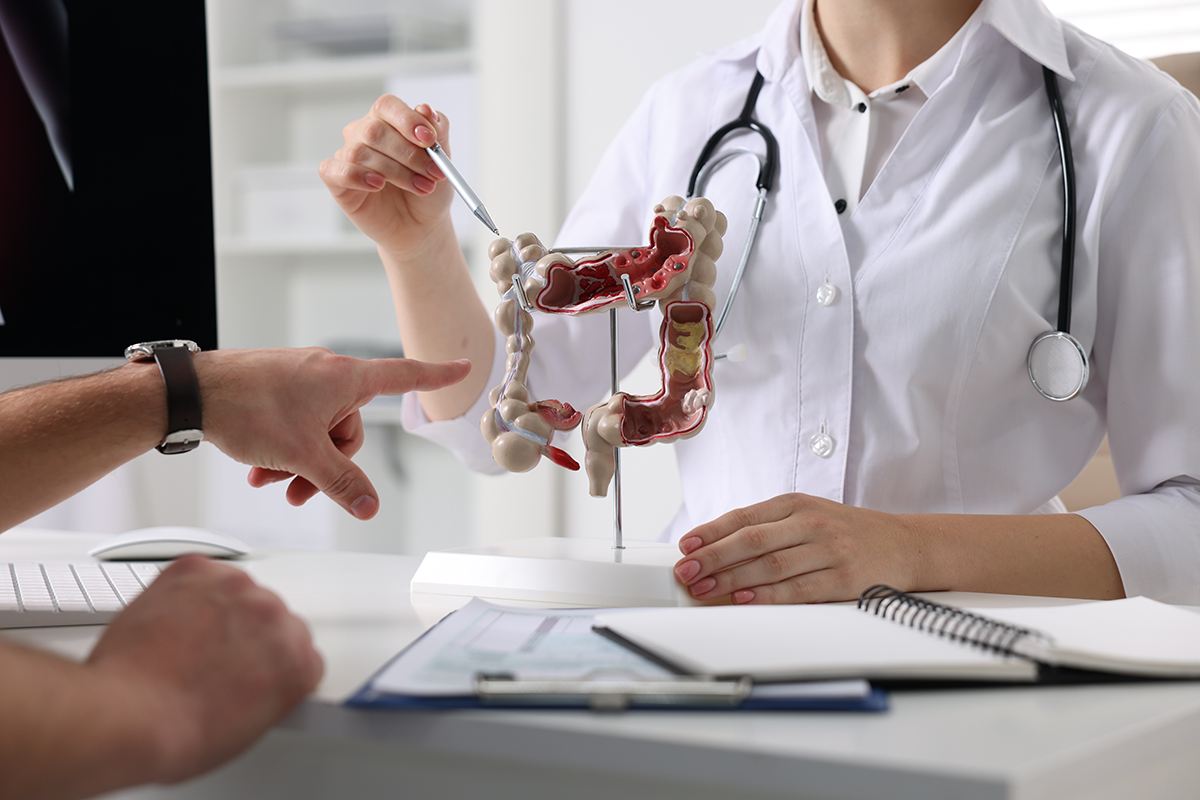
Doctors evaluate persistent bloody diarrhoea by reviewing symptoms, medical history and treatment response, followed by investigations where appropriate. The tests recommended depend on symptom severity, suspected disease activity and whether other causes, such as gastrointestinal infections, need to be excluded.
- Medical history and symptom assessment: A doctor reviews the frequency and duration of diarrhoea, the amount of visible blood, associated symptoms and previous treatment responses to better understand the patient's condition.
- Blood tests: These may be performed to check for anaemia, assess inflammation and identify other abnormalities associated with ongoing blood loss or active disease.
- Stool tests: Stool tests may be used to check for gastrointestinal infections and measure inflammatory markers, such as faecal calprotectin, which can help assess intestinal inflammation.
- Colonoscopy or flexible sigmoidoscopy: These procedures allow direct examination of the intestinal lining to assess inflammation, identify ulcers and evaluate disease activity. Tissue samples may also be collected for further analysis.
Take Control of Your Bowel Health With TheSurgeons
Taking care of your bowel health starts with recognising changes in your symptoms and understanding when medical attention may be needed. Seeking timely assessment can help clarify your condition and guide decisions about appropriate care, particularly when persistent bowel symptoms affect your daily life.
At TheSurgeons, patients can seek assessment for colorectal conditions, including inflammatory bowel disease (IBD). Dr Chew Min Hoe is an ulcerative colitis specialist with experience in managing colorectal conditions and performing minimally invasive surgical procedures. His patient-centred approach emphasises careful evaluation and individualised treatment discussions to help patients understand their condition and available care options.
If you are experiencing persistent bloody diarrhoea or changes in your bowel habits, book an appointment with us to discuss your symptoms and explore appropriate next steps.
FAQs About Ulcerative Colitis and Blood in the Stool
Meet Our Doctor
Dr Chew Min HoeSenior ConsultantGeneral & Colorectal SurgeryMBBS (Singapore), MRCS (Edinburgh), MMed (Surgery), FRCS (Edinburgh)
Dr Chew Min Hoe is a colorectal surgeon with more than 25 years of experience in colonoscopy and colorectal surgery. His background includes senior surgical leadership roles in Singapore’s public healthcare sector, a fellowship at Royal Prince Alfred Hospital in Australia and more than 100 peer-reviewed publications.