


Why Colonoscopy Is Important Before Colorectal Surgery
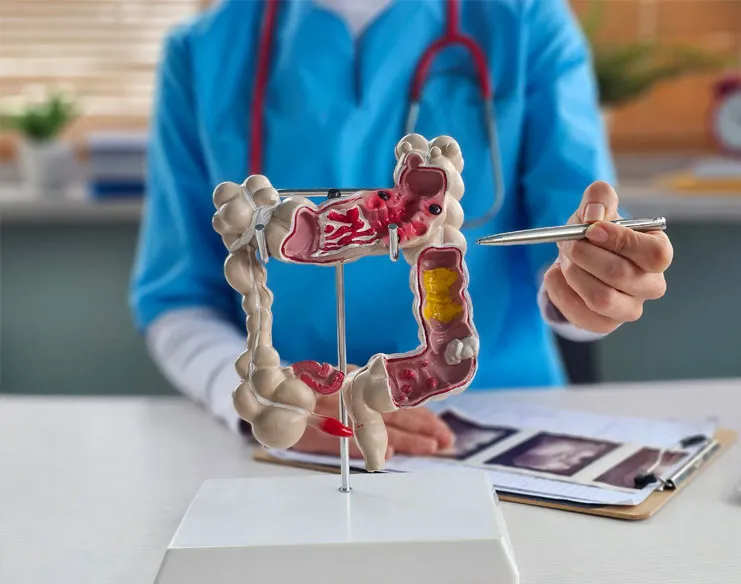
Before any surgical procedure, doctors need a thorough understanding of the underlying condition. Colonoscopy offers valuable insights that cannot always be obtained through imaging alone. Through direct visualisation of the colon, specialists can identify areas of concern and determine the extent of the problem. This information allows surgeons to develop a treatment strategy that addresses the condition while preserving as much healthy tissue as possible. In many cases, colonoscopy also helps confirm a diagnosis, ensuring that the surgical plan is tailored to the patient’s specific condition.
Conditions That May Require Colonoscopy Before Surgery
Colonoscopy is often used to evaluate several colorectal conditions that may eventually require surgical treatment. The procedure helps clarify the nature of the disease and guides decision making.
Colorectal Cancer
When colorectal cancer is suspected or confirmed, colonoscopy allows the surgeon to locate the tumour and assess its size and appearance. Tissue samples may also be taken during the procedure for laboratory analysis. Understanding the exact location of the tumour helps surgeons plan the appropriate surgical resection while ensuring that nearby healthy sections of the colon are preserved whenever possible.
Large or Complex Polyps
Some polyps can be removed during colonoscopy. However, larger or more complex growths may require surgical removal. By examining the polyp closely, the specialist can determine whether endoscopic removal is feasible or whether surgery would provide a safer and more complete solution.
Diverticular Disease
In patients with recurring diverticulitis or complications related to diverticular disease, colonoscopy can help evaluate the condition of the colon once inflammation has settled. The procedure allows the surgeon to assess areas affected by diverticula and determine whether surgical removal of a portion of the colon may be necessary.
Inflammatory Bowel Disease
Conditions such as ulcerative colitis or Crohn’s disease may occasionally require surgery when symptoms cannot be controlled with medication. Colonoscopy helps evaluate the extent of inflammation and any complications affecting the colon, providing valuable information for surgical planning.
How Colonoscopy Helps Guide Surgical Planning
Identifying the Exact Location of the Problem
Assessing the Condition of the Surrounding Colon
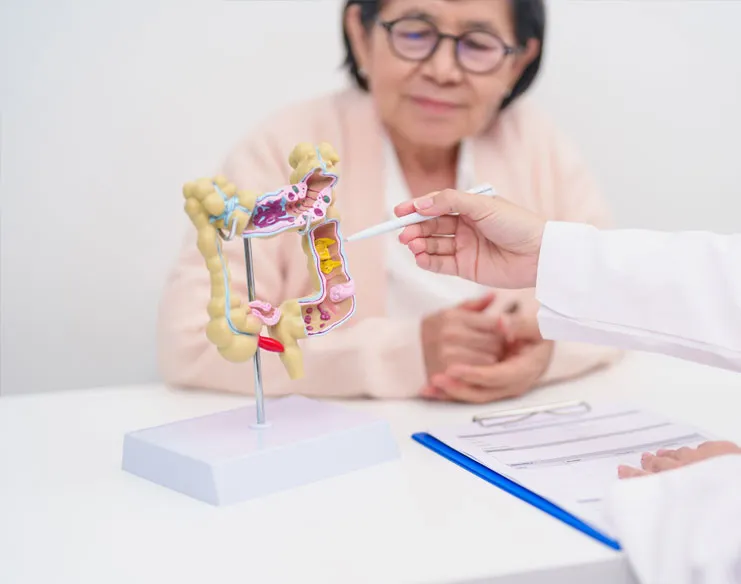
During the procedure, the specialist can also evaluate other parts of the colon for additional abnormalities. In some cases, patients may have more than one polyp or lesion. Identifying these findings early allows the surgeon to address all relevant concerns during a single operation whenever possible.
Supporting Minimally Invasive Techniques
Detailed preoperative information can help surgeons determine whether minimally invasive approaches such as laparoscopic surgery are appropriate. These techniques often involve smaller incisions and may support a smoother recovery for some patients.
What Patients Can Expect from the Colonoscopy Process
Understanding the colonoscopy procedure can help patients feel more prepared before undergoing the examination.
Preparation Before the Procedure
To allow clear visualisation of the colon, patients are usually asked to follow a special diet and take bowel preparation medication the day before the examination. This process clears the colon so the camera can capture accurate images.
During the Examination
Colonoscopy is typically performed with sedation to help patients remain comfortable. A flexible tube with a camera is gently inserted into the rectum and guided through the colon. The procedure usually takes less than an hour. During this time, the specialist carefully examines the lining of the colon and may remove small polyps or collect tissue samples if necessary.
After the Procedure
Most patients recover from sedation within a short period and can return home the same day. The specialist will usually discuss the findings and explain whether further treatment or surgery is recommended.
Supporting Careful Planning for Colorectal Treatment
Colonoscopy is a key step in helping surgeons evaluate colorectal conditions and plan treatment effectively. By giving a clear view of the colon and highlighting areas that need attention, the procedure supports accurate diagnosis and careful surgical planning.
At The Surgeons, led by Dr Chew Min Hoe, we provide personalised assessment and treatment planning tailored to each patient’s situation. If you have been advised to undergo colonoscopy as part of your care, book a consultation today to gain a clear understanding of the procedure and the next steps for protecting your colorectal health.
Meet Our Colorectal Specialist in Singapore
Dr Chew Min HoeMedical DirectorSenior Consultant, General & Colorectal SurgeonMBBS (Singapore), MRCS (Edinburgh), MMed (Surgery), FRCS (Edinburgh)
Dr Chew Min Hoe has devoted over 25 years of service to the public sector and was the founding Head of the Department of Surgery at Sengkang General Hospital (SKH). His clinical specialty is General and Colorectal Surgery with special niche interests in colorectal cancer, advanced pelvic tumours, hereditary conditions as well as perianal surgery. He is highly involved in education and research, and has published more than 100 peer-reviewed articles.