


Common Causes of Recurring Piles
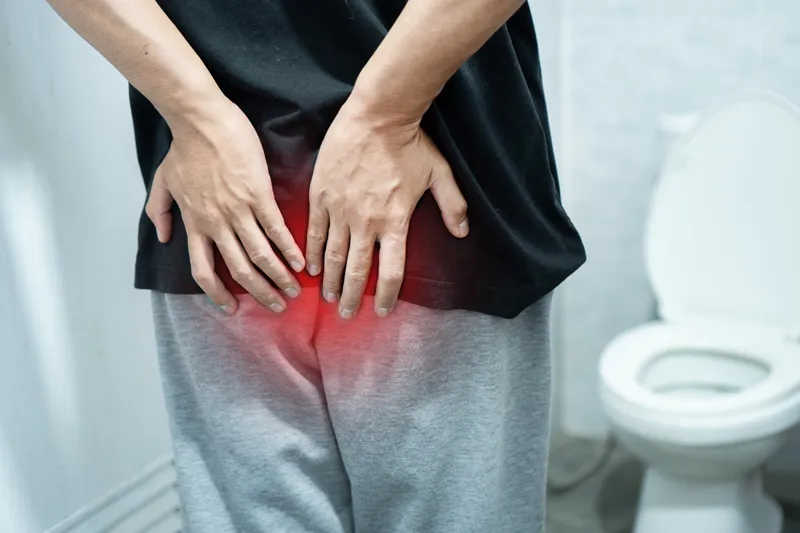
Chronic Constipation
Passing hard stools or straining during bowel movements places repeated pressure on the haemorrhoidal veins. Without addressing constipation, the tissues remain vulnerable to further swelling.
Frequent Diarrhoea
Loose stools and repeated bowel movements can also irritate the anal canal. Ongoing inflammation may contribute to recurrent symptoms, particularly in people with digestive conditions.
Prolonged Sitting on the Toilet
Spending extended periods on the toilet increases pressure within the veins around the anus. Habits such as scrolling through a mobile phone while waiting to pass stools can unintentionally prolong this pressure.
Low Fibre Intake
A diet lacking sufficient fibre often results in harder stools and increased straining. Without adequate fibre, bowel movements are generally less regular and more difficult to pass.
Pregnancy
Hormonal changes together with the growing uterus place additional pressure on the pelvic veins during pregnancy, making piles more likely to develop. Although piles during pregnancy often improve after delivery, some women continue to experience recurring symptoms.
Heavy Lifting
Repeated lifting of heavy objects may increase pressure within the abdomen, contributing to the development or recurrence of haemorrhoids over time.
Ageing
As people age, the connective tissues supporting the haemorrhoidal cushions gradually weaken. This makes the tissues more likely to enlarge or prolapse, increasing the chance of recurrence.
How to Reduce the Risk of Recurring Piles
- Eating a diet rich in fruits, vegetables, wholegrains and other high-fibre foods
- Drinking enough water throughout the day to keep stools soft
- Exercising regularly to encourage healthy bowel function
- Avoiding excessive straining during bowel movements
- Going to the toilet when the urge arises instead of delaying
- Limiting the amount of time spent sitting on the toilet
- Maintaining a healthy body weight where appropriate

When Should You See a Doctor for Recurring Piles?
Occasional mild piles often improve with self-care. However, recurring symptoms should not be ignored, particularly if they persist despite lifestyle changes.
Medical assessment is recommended if you experience:
- Repeated episodes of rectal bleeding
- Persistent pain, swelling or itching around the anus
- A lump that remains outside the anus
- Difficulty cleaning the area because of prolapsed tissue
- Symptoms that continue to return after previous treatment
- Changes in bowel habits or unexplained weight loss
Rectal bleeding and anal discomfort can also be caused by other conditions, including anal fissures, inflammatory bowel disease or colorectal cancer. A proper examination helps determine the underlying cause and ensures appropriate treatment.
Treatment Options for Recurring Piles
Treatment depends on the severity of the haemorrhoids, the frequency of recurrence and whether complications are present.
Lifestyle and Dietary Changes
For mild or early-stage haemorrhoids, increasing fibre intake, improving hydration and correcting bowel habits may help reduce symptoms and lower the risk of recurrence.
Medication
Creams, ointments, suppositories or oral medications may provide temporary relief from pain, itching and inflammation during flare-ups. While these treatments help manage symptoms, they do not remove haemorrhoids.
Rubber Band Ligation
For suitable internal haemorrhoids, rubber band ligation cuts off the blood supply to the haemorrhoid, allowing it to shrink and fall away over time. This is a commonly performed outpatient procedure that requires little recovery time.
Surgery
Large, prolapsed or recurrent haemorrhoids may require surgical treatment. Depending on the type and severity of the haemorrhoids, your colorectal surgeon may recommend procedures such as laser haemorrhoidectomy, conventional haemorrhoidectomy or stapled haemorrhoidopexy.
Finding Long-Term Relief from Recurring Piles
Recurring piles are often a sign that the underlying causes have not been fully addressed. Although healthy bowel habits and lifestyle adjustments can help lower the risk of future flare-ups, ongoing or worsening symptoms should be assessed to determine whether further treatment is needed.
At Thesurgeons, a colorectal clinic in Singapore, Dr Chew Min Hoe provides comprehensive assessment and management for patients experiencing recurrent piles. Following a careful evaluation, treatment is tailored to the severity of your condition and may range from conservative measures to minimally invasive procedures or surgery where appropriate.
If piles continue to return or are affecting your daily life, arrange a consultation and discuss the treatment options available today.
Frequently Asked Questions (FAQs) About Recurring Piles
Meet Our Colorectal Specialist in Singapore
Dr Chew Min HoeMedical DirectorSenior Consultant, General & Colorectal SurgeonMBBS (Singapore), MRCS (Edinburgh), MMed (Surgery), FRCS (Edinburgh)
Dr Chew Min Hoe has devoted over 25 years of service to the public sector and was the founding Head of the Department of Surgery at Sengkang General Hospital (SKH). His clinical speciality is General and Colorectal Surgery with special niche interests in colorectal cancer, advanced pelvic tumours, hereditary conditions as well as perianal surgery. He is highly involved in education and research and has published more than 100 peer-reviewed articles.