


Why Long-Term Monitoring Is Important
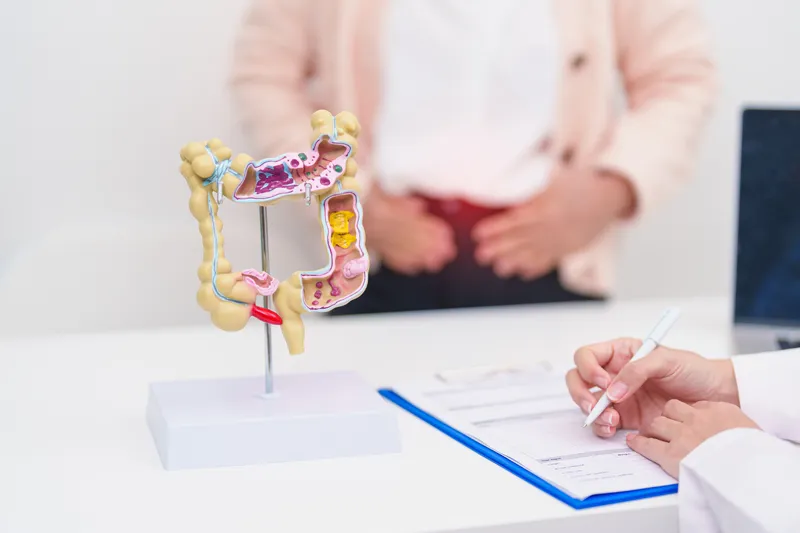
- Assess whether inflammation is under control
- Detect flare-ups before symptoms become severe
- Evaluate how well medications are working
- Identify complications at an early stage
- Reduce the risk of long-term bowel damage
- Decide when treatment should be adjusted
Because Crohn's disease can continue causing inflammation even when symptoms improve, monitoring focuses on both how you feel and what is happening inside the digestive tract.
Key Components of Crohn's Disease Monitoring
Symptoms and Daily Function
- Abdominal pain
- Diarrhoea
- Rectal bleeding
- Fatigue
- Weight changes
- Appetite
- Ability to carry out daily activities

Blood Tests
Blood tests provide useful information about inflammation and your overall health. These may include tests to assess inflammatory markers, anaemia, nutritional deficiencies and liver function. If you are taking immunosuppressive or biologic medications, blood tests may also be used to monitor for treatment-related side effects.
Stool Tests
Stool tests, particularly faecal calprotectin, can help measure inflammation within the bowel. Rising calprotectin levels may indicate increasing disease activity even before symptoms become obvious. This allows treatment to be reviewed earlier rather than waiting for a significant flare to develop.
Colonoscopy and Imaging
Although blood and stool tests provide valuable information, they cannot fully assess the condition of the bowel lining.
Your specialist may recommend periodic colonoscopy to:
- Evaluate the extent of inflammation
- Assess healing of the intestinal lining
- Obtain biopsies when necessary
- Monitor for bowel changes associated with long-standing disease
Depending on the location of Crohn's disease, imaging studies such as MRI enterography, CT scans or intestinal ultrasound may also be used to evaluate areas that cannot be reached during colonoscopy.
How Monitoring Helps Guide Treatment
If monitoring shows ongoing disease activity, treatment may be adjusted before symptoms become more severe or complications develop.
Depending on your condition, this may include:
- Optimising the dose of your current medication
- Changing to a different medication
- Introducing biologic or targeted therapies
- Reducing treatment if sustained remission has been achieved and it is clinically appropriate
This approach reflects the treat-to-target strategy, where treatment decisions are guided by objective evidence of disease control rather than symptoms alone.
Preventing Long-Term Complications
Effective monitoring helps reduce the risk of complications that may develop over time.
Bowel Narrowing and Blockages
Repeated inflammation may cause scar tissue to form, leading to bowel strictures that narrow the intestine. Early detection allows appropriate treatment before complete obstruction occurs.
Fistulas and Abscesses
Some patients develop abnormal tunnels called fistulas or collections of infection known as abscesses. These complications often require prompt medical treatment and, in some cases, surgery.
Nutritional Problems
Crohn's disease can interfere with the absorption of nutrients, particularly when the small intestine is affected.
Regular monitoring helps identify deficiencies in iron, vitamin B12, vitamin D and other nutrients so that supplementation can begin when required.
Colorectal Cancer Surveillance
Patients with long-standing Crohn's disease affecting the colon may have an increased risk of colorectal cancer. Your specialist will recommend surveillance colonoscopy at appropriate intervals based on factors such as the duration and extent of disease, helping detect precancerous changes or early cancers when they are more treatable.
Ongoing Monitoring Supports Better Long-Term Care
Effective Crohn's disease management extends beyond controlling flare-ups. Ongoing follow-up allows changes in disease activity to be identified early, helping ensure treatment remains appropriate as your condition and health needs evolve.
At Thesurgeons, a colorectal clinic in Singapore, patients receive comprehensive assessment and long-term management for Crohn's disease based on their individual condition and treatment goals. Led by Dr Chew Min Hoe, the clinic provides personalised care through regular monitoring, treatment reviews and timely intervention when required. If you have Crohn's disease or are experiencing ongoing digestive symptoms, arrange a consultation and discuss an appropriate long-term management plan today.
Frequently Asked Questions About Monitoring Crohn's Disease
Meet Our Colorectal Specialist in Singapore
Dr Chew Min HoeMedical DirectorSenior Consultant, General & Colorectal SurgeonMBBS (Singapore), MRCS (Edinburgh), MMed (Surgery), FRCS (Edinburgh)
Dr Chew Min Hoe has devoted over 25 years of service to the public sector and was the founding Head of the Department of Surgery at Sengkang General Hospital (SKH). His clinical speciality is General and Colorectal Surgery with special niche interests in colorectal cancer, advanced pelvic tumours, hereditary conditions as well as perianal surgery. He is highly involved in education and research and has published more than 100 peer-reviewed articles.