


What Is Crohn's Disease?
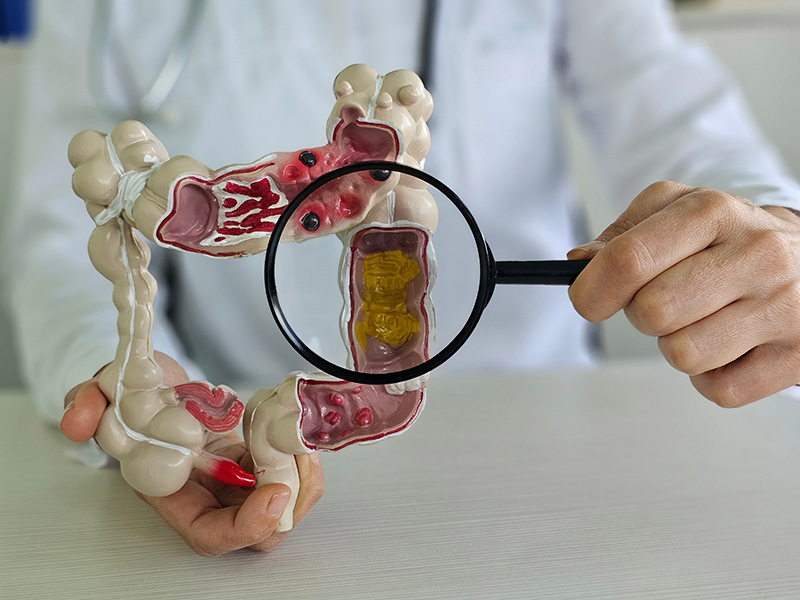
Crohn's disease is a chronic inflammatory bowel disease (IBD) that causes inflammation within the digestive tract. It can affect any part of the gastrointestinal tract, although it most commonly involves the small intestine and the colon. The inflammation can extend through the full thickness of the bowel wall, increasing the risk of complications such as narrowing of the bowel (strictures), fistulas and abscesses.
Symptoms often develop gradually and may alternate between periods of flare-ups and remission. Because these symptoms overlap with many other digestive conditions, further investigation is usually required before a diagnosis can be confirmed.
Symptoms vary between individuals but commonly include:
- Persistent diarrhoea
- Abdominal pain or cramping
- Blood in the stool
- Unintentional weight loss
- Fatigue
- Reduced appetite
When Should You See a Doctor for Crohn's Disease?
Digestive symptoms do not always indicate Crohn's disease, but symptoms that persist, recur or become progressively worse should be assessed. Seeking medical attention early allows the underlying cause to be investigated before complications develop.
Symptoms That May Require Assessment
Persistent diarrhoea, abdominal discomfort, unexplained weight loss, fatigue or blood in the stool may warrant further evaluation, particularly when symptoms continue for several weeks or repeatedly return after improving.
Symptoms That Require Urgent Medical Attention
Severe abdominal pain, persistent vomiting, high fever, significant rectal bleeding or symptoms of bowel obstruction, such as abdominal swelling and an inability to pass stool or gas, require prompt medical assessment.
How Is Crohn's Disease Diagnosed?
Medical History and Physical Examination
Blood and Stool Tests
Blood tests can identify signs of inflammation, infection, anaemia or nutritional deficiencies associated with Crohn's disease, while stool tests help exclude intestinal infections and detect markers of intestinal inflammation that may suggest inflammatory bowel disease.
Colonoscopy With Biopsy
A colonoscopy allows the doctor to examine the lining of the colon and the end of the small intestine using a flexible camera. If areas of inflammation are identified, small tissue samples (biopsies) are taken for laboratory analysis. The appearance of the bowel, together with the biopsy findings, provides important information that helps confirm the diagnosis.
CT Enterography or MR Enterography
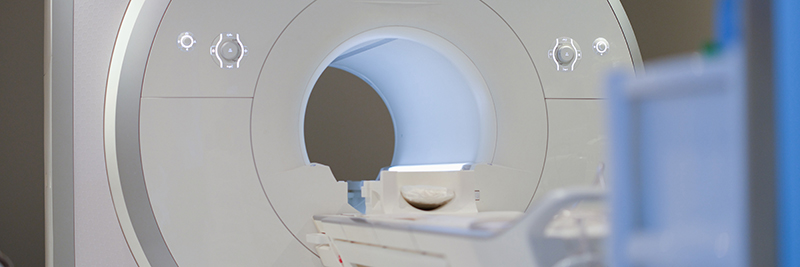
CT enterography and MR enterography provide detailed images of the small intestine and surrounding tissues that cannot always be fully assessed during colonoscopy. These scans help identify inflammation, bowel narrowing (strictures), fistulas, abscesses and other complications that may influence diagnosis and subsequent treatment decisions.
How Does a Colorectal Surgeon Support Crohn's Disease Care?
A colorectal surgeon helps assess suspected Crohn's disease, interpret investigation findings and develop an individualised management plan. They explain the diagnosis, discuss available treatment options and recommend ongoing monitoring or surgery when appropriate.
Confirming the Diagnosis
Once investigations have been completed, your colorectal surgeon reviews the findings alongside your symptoms and medical history to confirm whether Crohn's disease or another gastrointestinal condition is the likely cause. They will explain what the results mean and answer any questions about your diagnosis.
Planning Ongoing Management
Management depends on the severity of the disease, the areas affected and whether complications are present. Treatment may include medical therapy, ongoing monitoring or surgery for complications such as strictures, fistulas, abscesses or bowel perforation. Regular follow-up helps monitor your condition and adjust your management plan where needed.
Discuss Your Crohn's Disease Symptoms With Dr Chew Min Hoe
Ongoing digestive symptoms that persist despite self-care or repeatedly return should not be ignored, particularly if they begin to affect your daily life. A medical assessment can help identify the underlying cause, determine whether Crohn's disease or another gastrointestinal condition may be responsible and establish whether further investigations are needed to reach a diagnosis.
At Thesurgeons, a colorectal clinic in Singapore, patients receive comprehensive assessment and management for Crohn's disease and its complications in a supportive and professional setting. Dr Chew Min Hoe provides clear, personalised advice, explains the available treatment options and recommends an appropriate approach based on each patient's condition. If your symptoms persist or continue to affect your daily life, schedule a consultation to discuss the most appropriate treatment options for your condition.
FAQs About Crohn's Disease Assessment and Diagnosis
Meet Our Colorectal Specialist in Singapore
Dr Chew Min HoeMedical DirectorSenior Consultant, General & Colorectal SurgeonMBBS (Singapore), MRCS (Edinburgh), MMed (Surgery), FRCS (Edinburgh)
Dr Chew Min Hoe has devoted over 25 years of service to the public sector and was the founding Head of the Department of Surgery at Sengkang General Hospital (SKH). His clinical speciality is General and Colorectal Surgery with special niche interests in colorectal cancer, advanced pelvic tumours, hereditary conditions as well as perianal surgery. He is highly involved in education and research and has published more than 100 peer-reviewed articles.