


Key Takeaways
- FIT testing checks for hidden blood in stool and is commonly used for routine screening.
- Colonoscopy directly examines the bowel and can remove polyps during the same procedure.
- Colonoscopy is generally more accurate for detecting polyps and cancer.
- The best screening method depends on risk level, symptoms and medical advice.
What Is a FIT Test?
The faecal immunochemical test (FIT) is a stool-based screening test designed to detect tiny amounts of blood that are not visible. Small traces of blood can sometimes come from bowel polyps or colorectal cancer. The test is completed at home using a sample kit, and the sample is then sent for analysis.
FIT testing is commonly recommended because it is:
- Non-invasive: No scopes or sedation are needed.
- Convenient: The sample is collected at home.
- Accessible: It is often used in population screening programmes.
- Repeatable: It is usually done every 1 to 2 years depending on local guidance.
What Is a Colonoscopy?
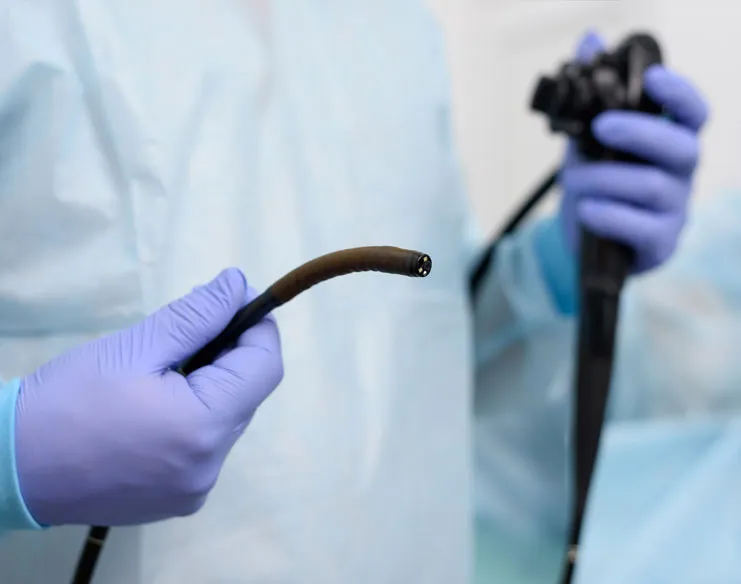
A colonoscopy is a medical procedure commonly performed by a colorectal cancer surgeon to examine the inside of the colon and rectum using a flexible endoscope fitted with a camera and light source. It is considered one of the most comprehensive bowel screening tests because it can both detect abnormalities and treat certain findings during the same session.
Colonoscopy can:
- Identify Polyps: Small growths that may become cancerous over time.
- Remove Polyps: Many can be removed immediately.
- Take Biopsies: Tissue samples can be collected for testing.
- Investigate Symptoms: Such as bleeding, anaemia or persistent bowel changes.
FIT Test vs Colonoscopy: Accuracy and Purpose
Accuracy
Purpose
Convenience
FIT test: Quick, private and does not require bowel preparation or recovery time.
Colonoscopy: Requires bowel preparation, sedation and time for recovery after the procedure.
When Is Each Test Recommended?
The most suitable screening option depends on factors such as your age, symptoms, family history and overall risk profile.
FIT testing may be recommended for:
- Average-Risk Adults: Particularly from around age 45 onwards.
- People Without Symptoms: Who want a convenient screening option.
- Regular Monitoring: As part of ongoing screening every one to two years.
Colonoscopy may be recommended for:
- Positive FIT Results: Further investigation is usually needed.
- Bowel Symptoms: Such as rectal bleeding, unexplained anaemia or persistent changes in bowel habits.
- Family History: Close relatives with colorectal cancer or advanced polyps.
- Previous Polyps: Ongoing surveillance may be required.
Which Test Should You Choose?
For many average-risk individuals, FIT testing is a practical first step. However, it must be repeated regularly, and abnormal results need a follow-up colonoscopy.
If you want the most detailed assessment, have symptoms or fall into a higher-risk group, colonoscopy is often the preferred option. It can identify problems earlier and allows treatment during the same procedure.
Choosing the Right Colorectal Cancer Screening Option
There is no single screening test that suits everyone. FIT testing offers convenience, while colonoscopy provides a more complete examination. The right choice depends on your risk profile, symptoms and screening goals.
If you are uncertain which screening approach is appropriate for you, professional guidance can help you make a confident and informed decision. Arrange a consultation at Thesurgeons, led by Dr Chew Min Hoe, where clear advice and tailored recommendations are provided to support your long-term colorectal health.
Frequently Asked Questions About FIT Test and Colonoscopy
Meet Our Colorectal Specialist in Singapore
Dr Chew Min HoeMedical DirectorSenior Consultant, General & Colorectal SurgeonMBBS (Singapore), MRCS (Edinburgh), MMed (Surgery), FRCS (Edinburgh)
Dr Chew Min Hoe has devoted over 25 years of service to the public sector and was the founding Head of the Department of Surgery at Sengkang General Hospital (SKH). His clinical speciality is General and Colorectal Surgery with special niche interests in colorectal cancer, advanced pelvic tumours, hereditary conditions as well as perianal surgery. He is highly involved in education and research and has published more than 100 peer-reviewed articles.