


What Can You Expect During Your First Specialist Appointment for Crohn's Disease?
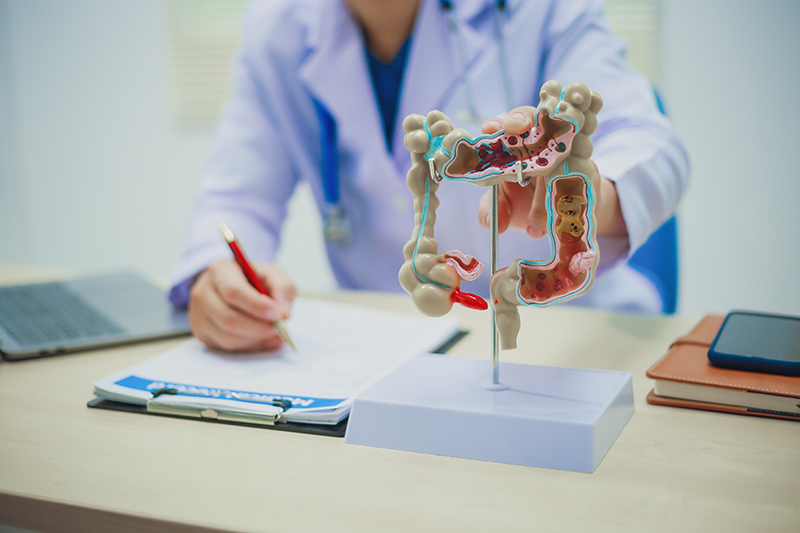
Your first consultation is designed to give your specialist a complete understanding of your condition. While every patient's experience is different, the appointment typically includes a discussion about your medical history, a clinical assessment and a review of any previous investigations to help guide the next steps in your care.
Preparing for Your Appointment
To help your consultation run more smoothly, bring any previous blood test or stool test results, colonoscopy reports, imaging scans and a list of your current medications or supplements, if available. It is also helpful to note when your symptoms began, how they have changed over time and whether you have noticed any triggers or previous flare-ups, as this information can provide your specialist with a clearer understanding of your condition.
During the Consultation
Your specialist will ask about your symptoms, medical history, family history and any previous treatments you have received. They will also discuss how your symptoms affect your daily life and review any existing investigation results. A physical examination may be performed to assess your general health and identify any signs that require further evaluation. If your symptoms involve the anal region, your specialist may also examine the area for complications such as fistulas or abscesses.
If Further Tests Are Needed
In some cases, your specialist may have enough information to discuss a diagnosis and recommend an initial management plan during your first appointment. In others, additional investigations may be needed to better understand your condition or rule out other gastrointestinal disorders. These may include blood tests, stool tests, a colonoscopy with biopsy or imaging studies such as CT enterography or MR enterography. Your specialist will explain the purpose of these investigations and how the results may guide your treatment plan.
How Is Your Crohn's Disease Treatment Plan Developed?
Your treatment plan is based on the findings from your consultation, examination and completed investigations. Because Crohn's disease affects everyone differently, treatment is tailored according to the severity of inflammation, the parts of the digestive tract involved, your symptoms and whether complications are present.
Medical Treatment
If Crohn's disease is confirmed, treatment often begins with medications to control inflammation, manage symptoms and help maintain remission. Nutritional support, dietary advice and regular monitoring may also be recommended, depending on your condition.
Additional Assessment and Follow-up
Some patients may require additional investigations or follow-up appointments before treatment decisions can be finalised. These help your specialist better understand your condition and determine the most appropriate management approach.
When Surgery May Be Recommended
Surgery is not required for everyone with Crohn's disease. However, it may be recommended if complications such as bowel narrowing (strictures), fistulas or abscesses develop, or if symptoms cannot be adequately controlled with medical treatment. Your specialist will explain the available treatment options, discuss the expected benefits and potential risks, and answer any questions to help you make informed decisions about your care.
Why Is Early Assessment for Crohn's Disease Important?

Discuss Your Crohn's Disease Symptoms with Dr Chew Min Hoe
Persistent digestive symptoms that do not improve or continue to recur should not be ignored, especially if they begin to affect your daily activities or quality of life. Seeking medical assessment early can help identify the underlying cause of your symptoms, determine whether further investigations are needed and establish an appropriate management plan based on your individual condition.
At Thesurgeons, a colorectal clinic in Singapore, patients receive comprehensive assessment and management for Crohn's disease and other gastrointestinal conditions in a supportive and professional setting. Dr Chew Min Hoe provides clear, personalised advice, explains the available treatment options and recommends an appropriate approach based on each patient's condition. If you have ongoing digestive symptoms or have been referred for specialist assessment, schedule a consultation to discuss the most appropriate next steps for your condition.
FAQs About Crohn's Disease Consultations with a Specialist
Meet Our Colorectal Specialist in Singapore
Dr Chew Min HoeMedical DirectorSenior Consultant, General & Colorectal SurgeonMBBS (Singapore), MRCS (Edinburgh), MMed (Surgery), FRCS (Edinburgh)
Dr Chew Min Hoe has devoted over 25 years of service to the public sector and was the founding Head of the Department of Surgery at Sengkang General Hospital (SKH). His clinical speciality is General and Colorectal Surgery with special niche interests in colorectal cancer, advanced pelvic tumours, hereditary conditions as well as perianal surgery. He is highly involved in education and research and has published more than 100 peer-reviewed articles.