


Key Takeaways
- Colonoscopy is used for both the diagnosis of symptoms and routine screening.
- Individuals with higher risk factors may require earlier colonoscopy screening.
- Symptoms such as rectal bleeding or persistent changes in bowel habits should be medically assessed without delay.
- Timely evaluation can support earlier detection and improve treatment outcomes.
What Are the Signs That You May Need a Colonoscopy?
A colonoscopy is often recommended when symptoms suggest a possible problem in the digestive tract. While these symptoms may be caused by non-serious conditions, proper assessment is important to rule out more significant concerns, particularly those related to bowel health that may require review by a colorectal cancer surgeon.
Common reasons for diagnostic colonoscopy include:
- Rectal Bleeding: Blood in the stool, on toilet paper or in the toilet bowl should always be assessed.
- Persistent Change in Bowel Habits: Ongoing constipation, diarrhoea or alternating patterns may need further investigation.
- Unexplained Abdominal Discomfort: Cramping, bloating or lower abdominal pain that does not settle may require review.
- Iron Deficiency Anaemia: Low iron levels without a clear cause can sometimes be linked to slow internal bleeding from the bowel.
- Unintentional Weight Loss: Unexpected weight loss may be a warning sign that deserves medical attention.
- Positive Stool Test Result: If a screening stool test detects hidden blood, colonoscopy is commonly advised.
If you notice one or more of these symptoms, it does not always mean a serious illness is present, but timely medical review is sensible.
When Is Colonoscopy Recommended as Routine Screening?
Many people are advised to undergo a colonoscopy even when they have no symptoms. The goal is to identify early bowel changes before they progress into more serious conditions. Routine screening is generally based on age and standard population risk.
- Average Risk Adults: Many guidelines advise beginning colorectal screening from age 45.
- Adults Over 50 Who Have Never Been Screened: It is usually wise to discuss screening options promptly.
- Ongoing Surveillance After Previous Findings: Those who had polyps removed may need repeat colonoscopies at scheduled intervals.
- Monitoring Certain Chronic Conditions: Long-term bowel conditions may require regular checks as part of disease management.
Which Factors May Require Earlier or More Frequent Colonoscopy?
- Family History of Colorectal Cancer: Having a first-degree relative diagnosed with bowel cancer increases personal risk.
- Family History of Advanced Polyps: Significant polyps in close relatives may justify earlier assessment.
- Personal History of Polyps: Previous polyp detection often requires closer follow-up.
- Inflammatory Bowel Disease: Conditions such as ulcerative colitis or Crohn’s disease affecting the colon may raise long-term risk.
- Inherited Genetic Syndromes: Certain conditions are linked to earlier onset of colorectal cancer and require tailored screening plans.

What Happens During a Colonoscopy?
Many patients feel anxious before their first procedure, but a colonoscopy is routine and commonly performed as a day procedure.
Typical steps include:
- Bowel Preparation: Medication is taken beforehand to clear the intestine for accurate viewing.
- Sedation: Most patients receive sedation for comfort during the examination.
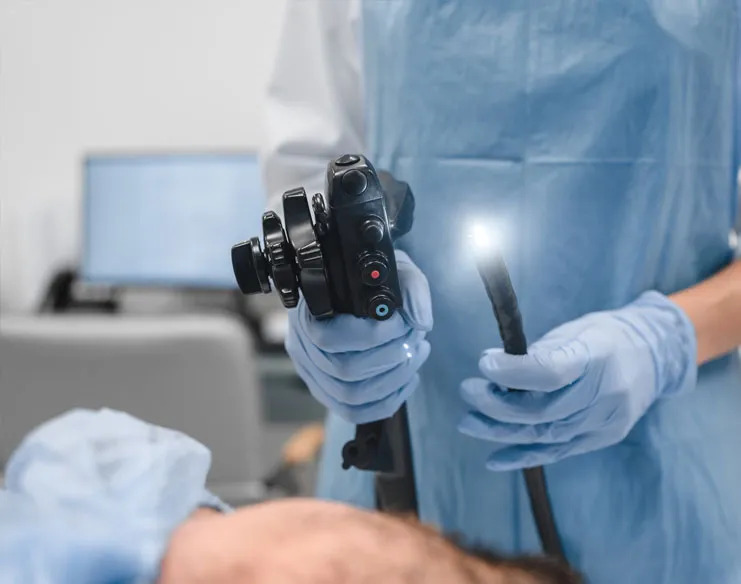
- Inspection of the Colon: A flexible camera is used to assess the bowel lining carefully.
- Polyp Removal or Biopsy: Small growths can often be removed, and tissue samples may be taken if required.
- Recovery: Patients are usually discharged after observation once stable. The procedure often takes around 30 to 45 minutes.
Seeking Medical Input for Your Colorectal Health
A colonoscopy is not only for individuals who feel unwell. It is an important tool for screening, diagnosing bowel symptoms and preventing colorectal cancer through early detection. If you are unsure whether it is the right time for a colonoscopy, seeking professional advice is the most appropriate next step.
At The Surgeons, led by Dr Chew Min Hoe, you can receive clear, specialist guidance tailored to your condition and risk profile. Schedule a consultation to discuss your concerns and take the next step for your colorectal health.
Frequently Asked Questions (FAQs) About Colonoscopy
Meet Our Colorectal Specialist in Singapore
Dr Chew Min HoeMedical DirectorSenior Consultant, General & Colorectal SurgeonMBBS (Singapore), MRCS (Edinburgh), MMed (Surgery), FRCS (Edinburgh)
Dr Chew Min Hoe has devoted over 25 years of service to the public sector and was the founding Head of the Department of Surgery at Sengkang General Hospital (SKH). His clinical speciality is General and Colorectal Surgery with special niche interests in colorectal cancer, advanced pelvic tumours, hereditary conditions as well as perianal surgery. He is highly involved in education and research and has published more than 100 peer-reviewed articles.