


What is Diverticulitis?
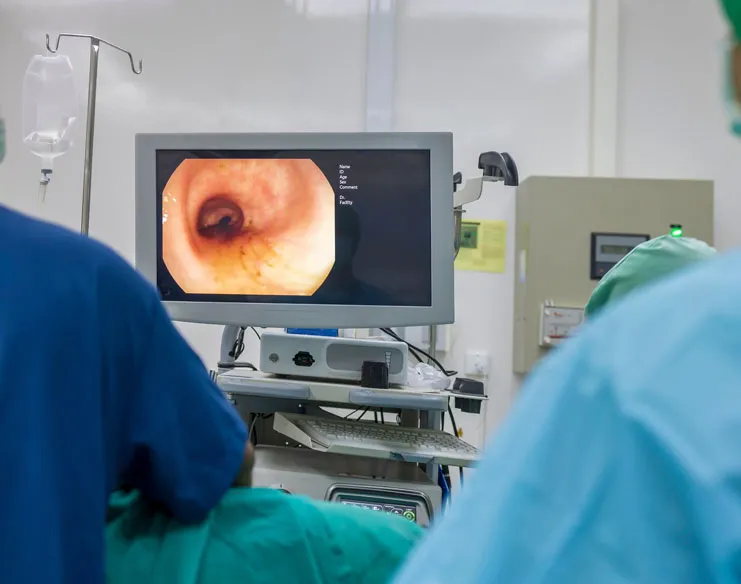
How Diverticula Form
Diverticula usually develop due to increased pressure inside the colon. Factors such as low fibre intake, constipation and ageing of the colon wall can contribute to their formation. While many people live with diverticula without noticing them, inflammation or infection can trigger diverticulitis.
Common Symptoms
Symptoms of diverticulitis vary depending on severity. Mild cases often involve abdominal pain, usually on the lower left side, bloating, and changes in bowel habits. Severe cases can include fever, nausea, vomiting, and persistent abdominal tenderness. In some instances, complications such as abscesses or perforation may occur.
Risk Factors for Diverticulitis
Understanding what increases the likelihood of developing diverticulitis can help you take proactive steps to reduce risk and recognise early warning signs.
Age and Lifestyle
The risk of diverticulitis rises with age. Diets low in fibre, lack of physical activity, obesity and smoking have all been associated with higher rates of diverticular complications.
Medical History
Individuals with chronic constipation or prior episodes of diverticulitis may be more susceptible to recurrent inflammation. Certain medications, such as steroids or non-steroidal anti-inflammatory drugs, may also increase risk.
Family History
A family history of diverticular disease can predispose individuals to developing diverticula or experiencing complications later in life.
Managing Diverticulitis Without Surgery
Not all cases of diverticulitis require surgery. Many mild to moderate episodes can be managed through lifestyle changes and medical treatment.
Medication
Antibiotics may be prescribed if an infection is present. Pain management and medications to regulate bowel movements may also help relieve symptoms.
Dietary Adjustments
During an acute episode, a liquid or low residue diet can allow the colon to rest. Once symptoms improve, gradually increasing fibre intake helps prevent future episodes and supports colon health.
Monitoring and Follow Up
Regular follow up with your doctor ensures that the condition is resolving and helps detect any early signs of recurrence or complications.
When Surgery Becomes Necessary
Lifestyle and Preventative Measures
Diet and Hydration
Eating a diet rich in fibre, including fruits, vegetables and whole grains, promotes regular bowel movements and reduces pressure in the colon. Staying well hydrated is also essential for healthy digestion.
Physical Activity
Regular exercise supports bowel function and helps maintain a healthy weight, reducing stress on the colon.
Monitoring and Early Action
Promptly addressing any new symptoms, such as abdominal pain or changes in bowel habits, allows for early intervention and reduces the likelihood of complications.
Getting the Right Support for Diverticulitis
Understanding how diverticulitis develops and when surgery may be needed can help you take control of your digestive health and plan for the future. Each step, from early detection to ongoing management, plays an important role in keeping your colon healthy and reducing the risk of complications.
At The Surgeons, led by Dr Chew Min Hoe, we provide personalised assessments, evidence based treatment plans and long term guidance tailored to your needs. Book an appointment to discuss your symptoms, explore your options and receive practical advice on managing diverticulitis for better long term well-being.
Meet Our Colorectal Specialist in Singapore
Dr Chew Min HoeMedical DirectorSenior Consultant, General & Colorectal SurgeonMBBS (Singapore), MRCS (Edinburgh), MMed (Surgery), FRCS (Edinburgh)
Dr Chew Min Hoe has devoted over 25 years of service to the public sector and was the founding Head of the Department of Surgery at Sengkang General Hospital (SKH). His clinical specialty is General and Colorectal Surgery with special niche interests in colorectal cancer, advanced pelvic tumours, hereditary conditions as well as perianal surgery. He is highly involved in education and research, and has published more than 100 peer-reviewed articles.