


What Are the Common Colon Diseases?
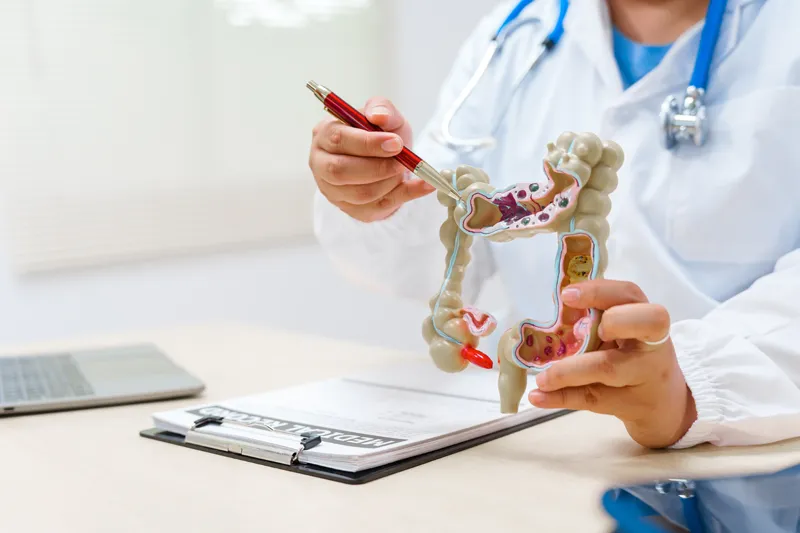
Colorectal Cancer and Colon Polyps
Colon polyps are abnormal growths that develop on the lining of the colon. While many polyps are harmless, some can become cancerous over time. Colorectal cancer often begins as a polyp and may cause symptoms such as rectal bleeding, changes in bowel habits, abdominal pain and unexplained weight loss. Regular screening is essential for early detection and prevention.
Diverticular Disease
Diverticular disease includes diverticulosis and diverticulitis. Diverticulosis occurs when small pouches form in the colon wall, often without causing symptoms. When these pouches become inflamed or infected, the condition is known as diverticulitis, which can lead to abdominal pain, fever, nausea and digestive discomfort.
Inflammatory Bowel Disease (IBD)
Inflammatory bowel disease refers primarily to ulcerative colitis and Crohn's disease, both of which cause chronic inflammation in the digestive tract. Symptoms commonly include diarrhoea, abdominal pain, rectal bleeding, fatigue and weight loss. These conditions often require long-term treatment to manage flare-ups and maintain remission.
Irritable Bowel Syndrome (IBS)
Irritable bowel syndrome is a common digestive disorder that affects how the colon functions. Although IBS does not cause inflammation or permanent damage to the colon, it can lead to symptoms such as abdominal cramping, bloating, constipation, diarrhoea, or a combination of both. Diet, stress and lifestyle factors often influence symptom severity.
What Are the Risk Factors for Colon Diseases?
Several factors can increase the risk of developing colon diseases, including colorectal cancer, inflammatory bowel disease, diverticular disease and other digestive disorders. While some risk factors cannot be changed, others can be managed through healthy lifestyle choices.
Age
The risk of many colon diseases increases with age. Adults over 45 are more likely to develop colon polyps, colorectal cancer and diverticular disease, making routine screening especially important.
Family History and Genetics
Individuals with a family history of colorectal cancer, colon polyps, or inflammatory bowel disease may have a higher risk of developing similar conditions. Certain inherited genetic syndromes can also significantly increase the likelihood of colon disease.
Poor Diet
A diet high in processed foods, red meat and saturated fats may contribute to colon health problems. Conversely, diets rich in fibre, fruits, vegetables and whole grains are associated with a lower risk of several colon diseases.
Physical Inactivity and Obesity
Lack of regular exercise and excess body weight have been linked to an increased risk of colorectal cancer and other digestive disorders. Maintaining a healthy weight and staying active can support overall colon health.
Smoking and Excessive Alcohol Consumption
Tobacco use and heavy alcohol intake can damage the digestive system and increase the risk of colorectal cancer and other gastrointestinal conditions.
Chronic Inflammation
Long-term inflammation of the colon, such as that caused by ulcerative colitis or Crohn's disease, can raise the risk of complications and colorectal cancer over time.
Other Medical Conditions
Conditions such as type 2 diabetes, a history of colon polyps and previous colorectal cancer can increase the likelihood of developing future colon-related health issues.
Understanding these risk factors can help individuals take preventive measures and recognise when regular screenings or medical evaluations may be necessary.
How Are Colon Diseases Diagnosed?
Colon diseases are diagnosed using a combination of medical history, physical examination, laboratory tests, imaging studies and procedures that allow doctors to view the inside of the colon. The appropriate diagnostic approach depends on a person's symptoms, risk factors, age and suspected condition.
Medical History and Physical Exam
Diagnosis often begins with a discussion of symptoms, such as abdominal pain, changes in bowel habits, rectal bleeding, bloating, diarrhoea, constipation, or unexplained weight loss. A doctor may also ask about family history, diet, medications and previous digestive issues. A physical exam may include checking the abdomen for tenderness or swelling.
Blood and Stool Tests
Blood tests can help detect signs of infection, inflammation, anaemia, or nutritional deficiencies. Stool tests may be used to check for blood, bacteria, parasites, or markers of inflammation. These tests can help identify infections, inflammatory bowel disease, or possible signs of colorectal cancer.
Colonoscopy
A colonoscopy is one of the most important tools for diagnosing colon diseases. During this procedure, a thin, flexible tube with a camera is used to examine the inside of the colon and rectum. Doctors can also remove polyps or take tissue samples, called biopsies, for further testing.
Imaging Tests
Imaging tests may be used when doctors need a clearer view of the colon or surrounding organs. These may include CT scans, MRI scans, ultrasound, or CT colonography. Imaging can help detect inflammation, blockages, tumours, diverticulitis, or other structural problems.
Biopsy
If abnormal tissue is found during a colonoscopy or other procedure, a biopsy may be performed. A small tissue sample is examined under a microscope to check for inflammation, infection, precancerous changes, or cancer.
Personalised Colon Treatment with Dr Chew Min Hoe

Frequently Asked Questions (FAQs) About Colon Diseases
Can colon diseases affect nutrient absorption?
Yes, certain colon diseases can interfere with the body's ability to absorb water, electrolytes and nutrients efficiently. Conditions that cause chronic inflammation or persistent diarrhoea may increase the risk of dehydration, fatigue and nutritional deficiencies. Over time, these issues can affect overall health and quality of life if they are not properly managed.
How do colon diseases impact daily life?
The impact of colon diseases varies depending on the condition and its severity. Some people may experience occasional discomfort, while others may deal with ongoing symptoms that affect work, travel, social activities and diet choices. Effective treatment and lifestyle adjustments can often help individuals manage symptoms and maintain their normal routines.
Can stress worsen colon disease symptoms?
While stress does not directly cause most colon diseases, it can contribute to symptom flare-ups and increased digestive discomfort. Many people notice that stress can affect bowel habits, abdominal discomfort and overall digestive function. Managing stress through healthy coping strategies, regular exercise, adequate sleep and relaxation techniques may help improve symptom control alongside medical treatment.
How can I maintain good colon health?
Maintaining good colon health involves eating a balanced diet rich in fibre, staying physically active, maintaining a healthy weight, avoiding smoking, limiting alcohol consumption and attending recommended colorectal screening appointments. Individuals with a family history of colon diseases should discuss their screening needs with a healthcare professional.
Meet Our Colorectal Specialist in Singapore
Dr Chew Min HoeMedical DirectorSenior Consultant, General & Colorectal SurgeonMBBS (Singapore), MRCS (Edinburgh), MMed (Surgery), FRCS (Edinburgh)
Dr Chew Min Hoe has devoted over 25 years of service to the public sector and was the founding Head of the Department of Surgery at Sengkang General Hospital (SKH). His clinical speciality is General and Colorectal Surgery with special niche interests in colorectal cancer, advanced pelvic tumours, hereditary conditions as well as perianal surgery. He is highly involved in education and research and has published more than 100 peer-reviewed articles.