


Key Takeaways
- Colorectal conditions can affect the colon, rectum or anus and often present with similar symptoms.
- Common conditions include haemorrhoids, anal fissures, colorectal polyps, diverticular disease and colorectal cancer.
- Persistent rectal bleeding, bowel habit changes or ongoing abdominal pain should not be ignored.
- Early medical assessment helps guide timely treatment and reduce the risk of complications.
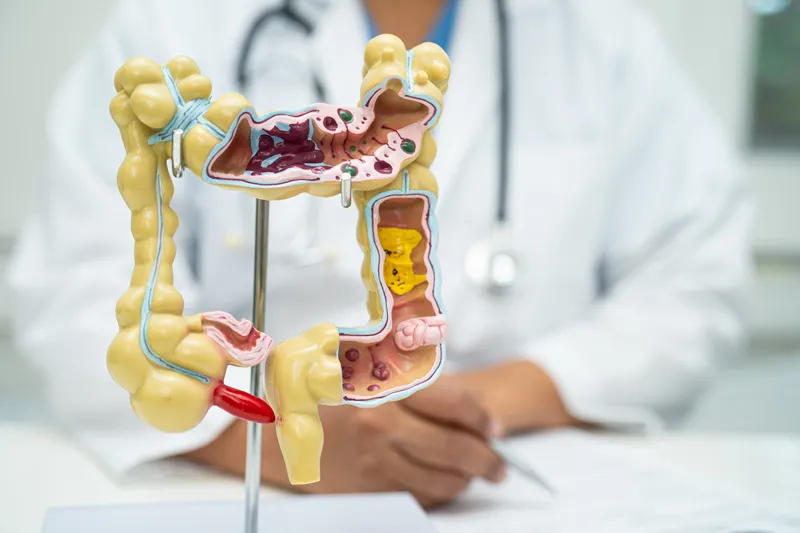
Common Colorectal Conditions Explained
Several conditions can affect the lower digestive tract. Although many are treatable, an accurate diagnosis is important because different conditions often present in similar ways.
Haemorrhoids (Piles)
Haemorrhoids are swollen blood vessels around the anus or lower rectum. They are one of the most common colorectal conditions and may be managed with lifestyle measures, minimally invasive procedures or surgery depending on their severity.
Anal Fissures
An anal fissure is a small tear in the lining of the anus, often caused by passing hard stools. Most fissures heal with conservative treatment, although persistent or recurrent fissures may require further management.
Anal Abscesses and Anal Fistulas
An anal abscess is a collection of infected fluid near the anus, while an anal fistula is an abnormal tunnel that may develop after an abscess has drained. These conditions often require medical or surgical treatment to resolve the underlying infection.
Colorectal Polyps
Colorectal polyps are abnormal growths that develop on the lining of the colon or rectum. Most do not cause symptoms, although some types can develop into colorectal cancer if left untreated.
Colorectal Cancer
Colorectal cancer develops when abnormal cells grow uncontrollably in the colon or rectum. It may not cause noticeable symptoms in its early stages, making screening important for early detection.
Diverticular Disease
Diverticular disease occurs when small pouches develop in the wall of the colon. While many people remain symptom-free, these pouches can sometimes become inflamed or infected.
When Should You Seek Medical Attention?
- Rectal bleeding or blood in the stool
- Persistent changes in bowel habits
- Ongoing abdominal or anal pain
- A lump or swelling around the anus
- Unexplained weight loss
- Iron deficiency anaemia without an obvious cause

How Are Colorectal Conditions Diagnosed?
The investigations recommended depend on your symptoms, medical history and clinical findings.
Discussing Your Symptoms and Medical History
Your colorectal surgeon will discuss your concerns, review your medical history and perform a physical examination where necessary.
Colonoscopy
A colonoscopy allows the colon and rectum to be examined directly. It can identify inflammation, polyps, bleeding and colorectal cancer, while also allowing biopsies or polyp removal during the same procedure.
Imaging and Laboratory Tests
Depending on the suspected condition, blood tests, stool tests, computed tomography (CT) scans or magnetic resonance imaging (MRI) may be recommended to support the diagnosis and guide treatment.
Understanding Your Colorectal Health with Dr Chew Min Hoe
Not all colorectal conditions require the same treatment, even when they present in similar ways. Identifying the underlying condition is the first step towards receiving appropriate care and preventing symptoms from progressing.
At Thesurgeons, a colorectal clinic in Singapore, care is centred on understanding the underlying cause of your condition before treatment begins. Led by Dr Chew Min Hoe, the clinic provides personalised management for a wide range of colorectal conditions, with recommendations tailored to your diagnosis and individual health needs. Schedule a consultation to discuss the most appropriate next steps for your colorectal health.
Frequently Asked Questions (FAQs) About Colorectal Conditions
Meet Our Colorectal Specialist in Singapore
Dr Chew Min HoeMedical DirectorSenior Consultant, General & Colorectal SurgeonMBBS (Singapore), MRCS (Edinburgh), MMed (Surgery), FRCS (Edinburgh)
Dr Chew Min Hoe has devoted over 25 years of service to the public sector and was the founding Head of the Department of Surgery at Sengkang General Hospital (SKH). His clinical speciality is General and Colorectal Surgery with special niche interests in colorectal cancer, advanced pelvic tumours, hereditary conditions as well as perianal surgery. He is highly involved in education and research and has published more than 100 peer-reviewed articles.