


Common Diseases That Affect the Colon
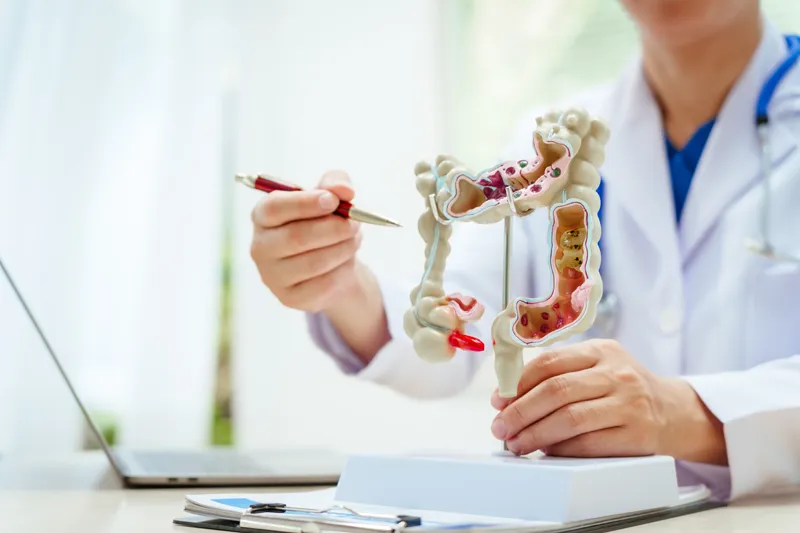
Colorectal Polyps
Colorectal polyps are abnormal growths that develop on the lining of the colon or rectum. Most do not cause symptoms and are often discovered during screening colonoscopy. If polyps are found, they can frequently be removed during the same procedure and examined for signs of cancer.
Colorectal Cancer
Colorectal cancer develops when abnormal cells grow uncontrollably in the colon or rectum. Early-stage disease often causes few or no symptoms, making screening and investigations such as colonoscopy important for early detection.
Diverticular Disease
Diverticular disease occurs when small pouches, known as diverticula, form in the wall of the colon. Many people remain symptom-free, but these pouches can become inflamed or infected, resulting in a condition called diverticulitis.
Inflammatory Bowel Disease
Inflammatory bowel disease (IBD) refers to chronic conditions such as ulcerative colitis and Crohn's disease that cause ongoing inflammation of the digestive tract. The condition typically follows a relapsing and remitting course, with periods of flare-ups and remission.
Infectious Colitis
Infectious colitis is inflammation of the colon caused by bacterial, viral or parasitic infections. It is usually an acute condition and may require investigation to identify the underlying infection.
Ischaemic Colitis
Ischaemic colitis occurs when blood flow to part of the colon is reduced, limiting the oxygen supply to the affected tissue. It is more commonly seen in older adults and those with underlying vascular disease.
Symptoms That May Require Medical Assessment
- Persistent changes in bowel habits
- Blood in the stool or rectal bleeding
- Ongoing abdominal pain or cramping
- Persistent diarrhoea or constipation
- Unexplained weight loss
- Fatigue associated with iron deficiency anaemia
- A family history of colorectal cancer or inflammatory bowel disease

How Are Colon Diseases Diagnosed?
Diagnosing colon diseases usually involves reviewing your medical history, performing a physical examination and carrying out tests to identify the underlying condition. The tests recommended will depend on your medical history, examination findings and individual risk factors.
Medical History and Physical Examination
Your colon doctor will ask about your symptoms, bowel habits, medical history, family history and any previous digestive conditions. This is usually followed by a physical examination, which may include an abdominal examination and a digital rectal examination depending on your symptoms.
Blood Tests
Blood tests may identify signs of infection, inflammation or anaemia caused by chronic blood loss. They also provide useful information about your general health before additional investigations.
Stool Tests
Stool tests can detect hidden blood, infection or inflammatory markers that help identify possible causes of bowel symptoms. Depending on the findings, further investigations may still be required.
Colonoscopy
A colonoscopy is one of the most comprehensive investigations for examining the colon. Using a flexible camera, your colorectal surgeon can inspect the lining of the colon, identify abnormalities, remove polyps and obtain tissue samples for laboratory analysis during the same procedure.
Imaging Studies
Imaging tests such as computed tomography (CT) scans or magnetic resonance imaging (MRI) may be recommended to evaluate inflammation, complications or suspected tumours. These investigations also help determine the extent of disease and assist with treatment planning where necessary.
Biopsy
If an abnormal area is identified during colonoscopy, a small tissue sample may be collected for microscopic examination. A biopsy helps confirm the diagnosis and distinguish between inflammatory, infectious and cancerous conditions.
Getting the Right Diagnosis for Your Colon Health
Many colon conditions share similar symptoms, making it difficult to determine the underlying cause without appropriate assessment. Seeking medical attention early allows potential problems to be identified sooner and ensures treatment is guided by an accurate diagnosis rather than symptoms alone.
At Thesurgeons, a colorectal clinic in Singapore, every consultation begins with a comprehensive evaluation to determine the cause of your bowel symptoms. Dr Chew Min Hoe then works closely with patients to recommend a personalised treatment approach based on their diagnosis and individual needs. Take the next step towards better colon health by scheduling a consultation to discuss your symptoms and the most appropriate treatment options.
Frequently Asked Questions (FAQs) About Colon Diseases
Meet Our Colorectal Specialist in Singapore
Dr Chew Min HoeMedical DirectorSenior Consultant, General & Colorectal SurgeonMBBS (Singapore), MRCS (Edinburgh), MMed (Surgery), FRCS (Edinburgh)
Dr Chew Min Hoe has devoted over 25 years of service to the public sector and was the founding Head of the Department of Surgery at Sengkang General Hospital (SKH). His clinical speciality is General and Colorectal Surgery with special niche interests in colorectal cancer, advanced pelvic tumours, hereditary conditions as well as perianal surgery. He is highly involved in education and research and has published more than 100 peer-reviewed articles.