


Why Colorectal Cancer Screening Is Important
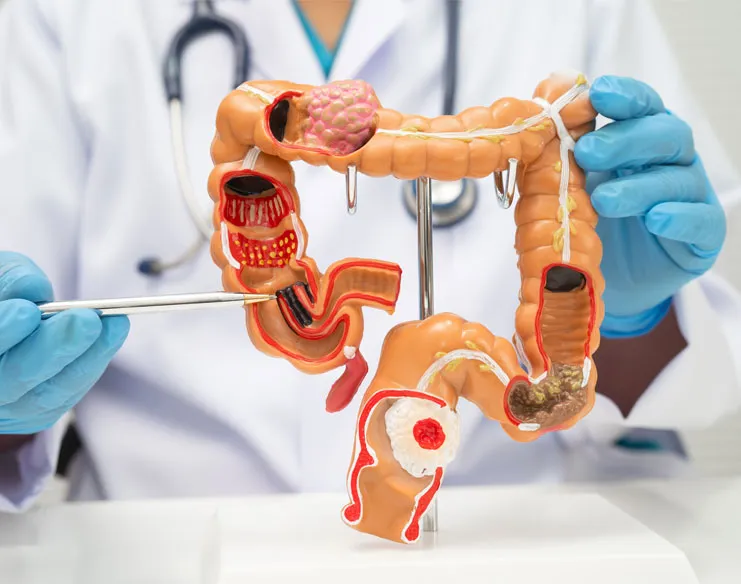
Many cases begin as small growths in the lining of the colon or rectum known as polyps. While not all polyps become cancerous, some may gradually develop into cancer over time. Screening allows doctors to detect these changes early and remove them before they progress further. Early detection also improves treatment outcomes. When colorectal cancer is identified at an early stage, treatment options are often less invasive and recovery outcomes tend to be more favourable.
Who Should Consider Colorectal Cancer Screening?
Screening recommendations vary depending on individual risk factors. However, certain groups are generally encouraged to begin screening earlier or undergo testing more regularly.
Adults Aged 50 and Above
Age remains one of the most important risk factors for colorectal cancer. Most screening guidelines recommend that adults begin regular screening from around the age of 50, even if they feel completely well.
Individuals With a Family History
People with close relatives who have been diagnosed with colorectal cancer or colon polyps may have a higher risk of developing the condition themselves. In such cases, doctors may advise starting screening earlier than usual.
Those With Certain Medical Conditions
Individuals with inflammatory bowel disease, such as ulcerative colitis or Crohn’s disease, may face an increased risk of colorectal cancer over time. Regular monitoring and screening are often recommended as part of long term care.
Patients With Previous Polyps
If polyps have been detected during previous examinations, follow up screening may be required. This helps doctors ensure that any new growths are identified and managed promptly.
Common Methods of Colorectal Cancer Screening
Colonoscopy
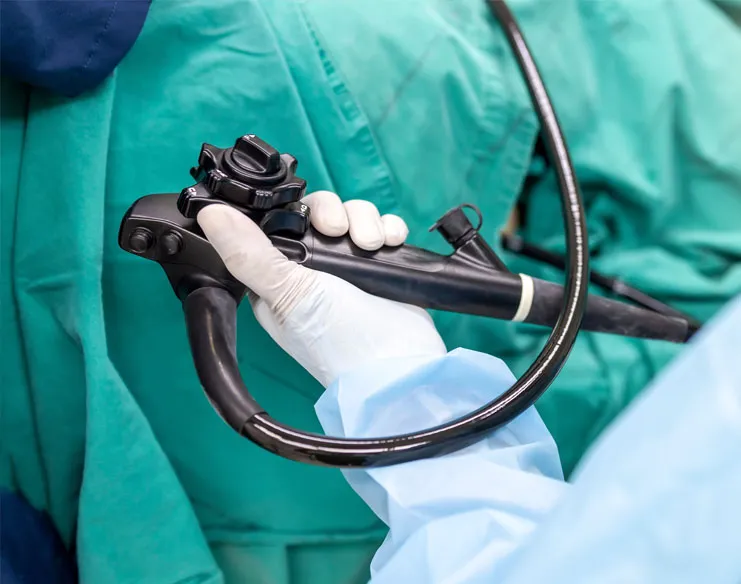
Stool-Based Tests
Stool tests are designed to detect traces of blood or abnormal DNA that may indicate changes in the colon. These tests are less invasive and are sometimes used as an initial screening tool.
Imaging Tests
Certain imaging techniques may also be used to examine the colon. These tests provide visual information that helps doctors identify areas that may require further investigation.
The Role of Early Detection in Colorectal Health
Screening is not just about detecting cancer; it also plays a crucial role in prevention. By identifying polyps or early changes, doctors can intervene before the condition progresses. Early detection often also allows for less extensive treatment, and if colorectal cancer is found at an early stage, surgery may be simpler with a quicker recovery. Having your colorectal health properly assessed provides reassurance and peace of mind, so you can focus on maintaining your overall well-being.
Taking a Proactive Approach to Colorectal Health
Knowing your personal risk and the importance of regular screening can make a real difference in your colorectal health. Each step—from understanding your risk factors to completing the right screening tests and following up on results—helps protect your long term wellbeing and provides peace of mind for you and your loved ones.
At The Surgeons, led by Dr Chew Min Hoe, Senior Consultant Colorectal Specialist, we offer personalised assessments, guidance on screening and treatment plans tailored to each patient’s needs using evidence based approaches. Book a consultation to take proactive steps toward your colorectal health, and feel confident in your screening and prevention plan.
Meet Our Colorectal Specialist in Singapore
Dr Chew Min HoeMedical DirectorSenior Consultant, General & Colorectal SurgeonMBBS (Singapore), MRCS (Edinburgh), MMed (Surgery), FRCS (Edinburgh)
Dr Chew Min Hoe has devoted over 25 years of service to the public sector and was the founding Head of the Department of Surgery at Sengkang General Hospital (SKH). His clinical specialty is General and Colorectal Surgery with special niche interests in colorectal cancer, advanced pelvic tumours, hereditary conditions as well as perianal surgery. He is highly involved in education and research, and has published more than 100 peer-reviewed articles.