


Who Should Undergo Colorectal Cancer Screening?
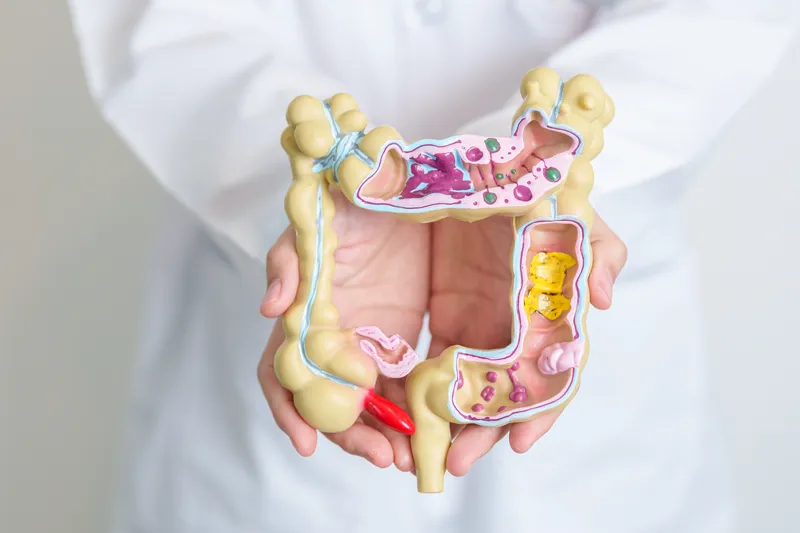
Individuals Aged 45 and Above
Colorectal cancer screening is generally recommended for individuals aged 45 and above, even if they do not have symptoms. Regular screening can help detect precancerous polyps or colorectal cancer at an earlier stage, when treatment may be more effective.
Individuals With a Family History of Colorectal Cancer
Individuals with a family history of colorectal cancer or colorectal polyps may have a higher risk of developing the disease. Depending on your family history and risk profile, your doctor may recommend starting screening earlier or undergoing screening more frequently.
Individuals Experiencing Symptoms
Individuals experiencing symptoms such as persistent changes in bowel habits, blood in the stool, unexplained weight loss or ongoing abdominal discomfort should consult a doctor for further evaluation. While these symptoms may be caused by other conditions, they can also be signs of colorectal cancer and should not be ignored.
What Are the Colorectal Cancer Screening Options in Singapore?
Regular screening is one of the most effective ways to detect colorectal cancer early, often before symptoms develop. In Singapore, several screening methods are available, each with its own benefits and limitations. The most suitable option depends on factors such as your age, risk profile and personal preferences.
Colonoscopy
A colonoscopy is considered the gold standard for colorectal cancer detection. During the procedure, a thin, flexible tube with a camera is inserted through the rectum to examine the entire colon for polyps, abnormal growths, or signs of cancer. Any suspicious polyps can often be removed during the same procedure for further testing.
Faecal Immunochemical Test (FIT)
The Faecal Immunochemical Test (FIT) is one of the most commonly used colorectal cancer screening tests in Singapore. This non-invasive test detects hidden blood in the stool, which may be an early sign of colorectal cancer or large polyps. FIT can be performed at home and is typically recommended annually for individuals at average risk. If blood is detected, further evaluation with a colonoscopy may be recommended.
How to Choose the Right Colorectal Cancer Screening Method
The most suitable colorectal cancer screening method depends on factors such as your age, personal risk factors, medical history and preferences. Discussing your options with a doctor can help you make an informed decision.
Your Risk Level
Individuals at average risk may be suitable candidates for non-invasive screening tests such as the Faecal Immunochemical Test (FIT). However, those with a family history of colorectal cancer, a personal history of polyps, or certain bowel conditions may require more comprehensive screening, such as a colonoscopy.
Accuracy and Detection Capabilities
Different screening methods offer varying levels of accuracy. While stool-based tests can detect signs of colorectal cancer, a colonoscopy allows doctors to directly examine the colon and remove precancerous polyps during the same procedure, making it one of the most effective screening tools available.
Convenience and Comfort
Some screening options, such as FIT, can be completed at home and do not require bowel preparation or sedation. Procedures like colonoscopy may involve more preparation and recovery time but provide a more thorough examination of the colon.
Frequency of Screening
Certain tests need to be performed more frequently than others. For example, FIT is typically recommended annually, while a normal colonoscopy may not need to be repeated for several years. Understanding the recommended screening intervals can help you choose an option that fits your lifestyle.
Cost and Accessibility
The cost of colorectal cancer screening can vary depending on the test performed. Non-invasive tests are generally more affordable, while procedures such as colonoscopy may incur higher costs. It is important to consider both affordability and the availability of screening services when making your decision.
Your Doctor's Recommendation
Ultimately, the best screening method is one that is appropriate for your individual health needs and that you are willing to undergo regularly. Your doctor can assess your risk factors, discuss the benefits and limitations of each option and recommend the most suitable screening approach for you.
Personalised Colorectal Cancer Screening with The Surgeons

Frequently Asked Questions (FAQs) About Colorectal Screening Methods in Singapore
At what age should I start colorectal cancer screening in Singapore?
In Singapore, individuals at average risk are generally encouraged to begin colorectal cancer screening from age 50. However, screening may be recommended earlier if you have a family history of colorectal cancer, previous polyps, inflammatory bowel disease, or concerning symptoms. Your doctor can advise on the most appropriate starting age based on your risk profile.
Is colorectal cancer screening painful?
Most colorectal cancer screening methods are not painful. Stool-based tests such as FIT can be done at home and do not cause discomfort. A colonoscopy may feel more intimidating, but sedation is usually given to keep patients comfortable during the procedure. Some bloating or mild discomfort may occur afterwards but typically improves quickly.
What happens if my screening result is abnormal?
An abnormal screening result does not always mean you have colorectal cancer. It may indicate bleeding, polyps, inflammation, or another bowel-related condition that requires further investigation. Your doctor may recommend additional tests, such as a colonoscopy or biopsy, to identify the cause and determine whether treatment is needed.
Meet Our Colorectal Specialist in Singapore
Dr Chew Min HoeMedical DirectorSenior Consultant, General & Colorectal SurgeonMBBS (Singapore), MRCS (Edinburgh), MMed (Surgery), FRCS (Edinburgh)
Dr Chew Min Hoe has devoted over 25 years of service to the public sector and was the founding Head of the Department of Surgery at Sengkang General Hospital (SKH). His clinical speciality is General and Colorectal Surgery with special niche interests in colorectal cancer, advanced pelvic tumours, hereditary conditions as well as perianal surgery. He is highly involved in education and research and has published more than 100 peer-reviewed articles.