


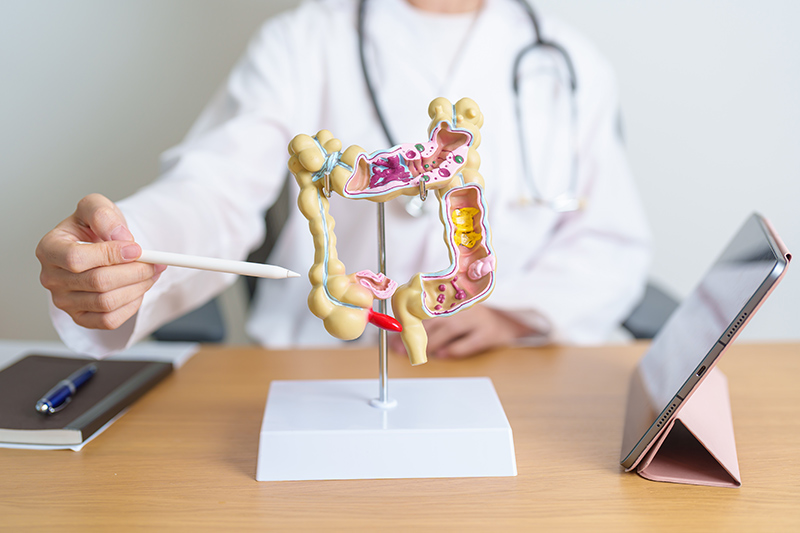
Understanding the Colon and Rectum
The colon and rectum form the final portion of the digestive system. Together, they help process waste before it leaves the body. The colon is the longest section of the large intestine. It absorbs water and salts from digested food while transporting waste material through the abdomen. The rectum is the final segment located at the end of the colon, where stool is temporarily stored before bowel movements occur. Although these structures are connected, their different positions within the body affect how cancers behave and how they are treated.
What Is Colon Cancer?
Colon cancer develops in the colon, which makes up the majority of the large intestine. Most colon cancers begin as abnormal growths known as polyps that gradually become cancerous over time. Depending on where the tumour is located within the colon, symptoms may vary. In some cases, symptoms remain subtle during the earlier stages.
Common Symptoms of Colon Cancer
- Persistent changes in bowel habits
- Constipation or diarrhoea lasting several weeks
- Blood in the stool
- Abdominal discomfort or bloating
- Unexplained weight loss
- Fatigue or weakness
- A feeling that the bowel does not empty completely

What Is Rectal Cancer?
Rectal cancer develops in the rectum, which is located lower in the digestive tract and sits within the pelvis. Because of its location, treatment can sometimes be more complex compared to colon cancer, particularly when considering surrounding structures involved in bowel control.
Symptoms of Rectal Cancer
Rectal cancer symptoms may include:
- Rectal bleeding
- A sensation of incomplete bowel emptying
- Changes in stool shape
- Increased urgency in bowel movements
- Mucus in the stool
- Pain or pressure in the rectal area
These symptoms are sometimes mistaken for haemorrhoids, which is why early assessment with a colorectal specialist is important.
Key Differences Between Colon and Rectal Cancer
Although both cancers fall under the category of colorectal cancer, there are several important differences between them.
Tumour Location
The primary difference lies in where the cancer develops. Colon cancer occurs higher within the large intestine, while rectal cancer develops in the rectum near the anus. This anatomical distinction affects both symptom patterns and treatment planning.
Symptoms and Presentation
Colon cancer may cause more general digestive symptoms such as bloating, abdominal discomfort or altered bowel habits. Rectal cancer is more likely to produce symptoms directly related to the rectal area, including rectal bleeding, urgency or discomfort during bowel movements.
Treatment Approaches
Colon cancer surgery is often the primary treatment for colon cancer, sometimes followed by chemotherapy. Rectal cancer treatment is usually more complex and may include a combination of radiotherapy, chemotherapy and surgery.
Diagnosis and Screening for Early Detection
Early detection plays a major role in improving outcomes for both colon and rectal cancer. Colorectal cancer screening, including colonoscopy, allows doctors to detect precancerous polyps and early-stage cancers before symptoms become severe.
Diagnosis may include:
- Colonoscopy
- Biopsy
- CT or MRI scans
- Blood tests
Why Understanding the Difference Matters
Recognising the difference between colon and rectal cancer helps patients understand their symptoms better and seek the right medical attention sooner. While both conditions are closely related, their differences in location and treatment approach mean that care must be carefully tailored.
Advances in colorectal cancer treatment have also improved survival rates and recovery outcomes, particularly when conditions are detected early through screening and specialist assessment.
Getting the Right Care at the Right Time
Colorectal and colon cancer can present in subtle ways, and symptoms are often mistaken for less serious digestive issues. Understanding the differences between colon and rectal cancer is an important first step in recognising when medical assessment is needed.
At Thesurgeons, a colorectal clinic in Singapore, patients receive comprehensive assessment and personalised care for colorectal and colon cancer concerns. Care is led by Dr Chew Min Hoe, an experienced colorectal specialist with expertise in colonoscopy, colorectal surgery Singapore and the diagnosis of colorectal conditions.
For persistent or unexplained rectal bleeding, ongoing bowel changes or concerns about possible colon or rectal cancer, scheduling a consultation can provide a thorough assessment and greater peace of mind.
Meet Our Colorectal Specialist in Singapore
Dr Chew Min HoeMedical DirectorSenior Consultant, General & Colorectal SurgeonMBBS (Singapore), MRCS (Edinburgh), MMed (Surgery), FRCS (Edinburgh)
Dr Chew Min Hoe has devoted over 25 years of service to the public sector and was the founding Head of the Department of Surgery at Sengkang General Hospital (SKH). His clinical speciality is General and Colorectal Surgery with special niche interests in colorectal cancer, advanced pelvic tumours, hereditary conditions as well as perianal surgery. He is highly involved in education and research and has published more than 100 peer-reviewed articles.