


Key Takeaways:
- Minimally invasive colorectal surgery uses laparoscopic or robotic-assisted techniques with small incisions to treat conditions affecting the colon, rectum and anus.
- Compared to traditional open surgery, it may offer less postoperative pain, shorter hospital stays, faster recovery and smaller scars for suitable patients.
- Eligibility for minimally invasive colorectal surgery depends on the condition being treated, overall health, previous surgeries and the surgeon's clinical assessment.
What Is Minimally Invasive Colorectal Surgery?
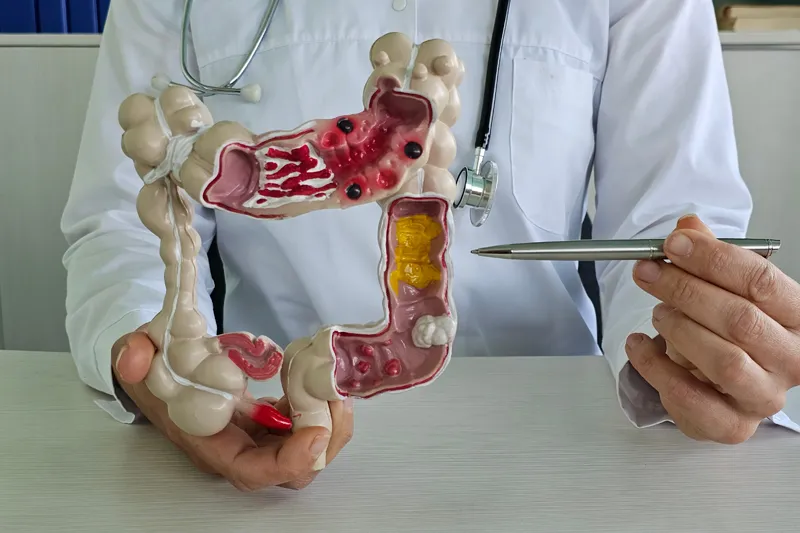
Minimally invasive colorectal surgery is an advanced surgical approach used to diagnose and treat conditions affecting the colon, rectum and anus. Unlike traditional open surgery, which requires a large abdominal incision, minimally invasive techniques use several small incisions through which specialised instruments and a camera are inserted. This allows colon specialists to perform complex procedures with greater precision while minimising trauma to surrounding tissues.
Types of Minimally Invasive Colorectal Surgery
Laparoscopic Colorectal Surgery
Laparoscopic surgery involves inserting a thin camera (laparoscope) and specialised surgical instruments through small incisions in the abdomen. The camera provides a magnified view of the surgical area, enabling the surgeon to perform procedures with enhanced accuracy.Robotic-Assisted Colorectal Surgery
Robotic-assisted surgery builds on laparoscopic techniques by using robotic arms controlled by the surgeon. The robotic system offers greater dexterity, precision and visualisation, which can be particularly beneficial for complex procedures involving the rectum and pelvis.
What Conditions Does Minimally Invasive Colorectal Surgery Treat?
Minimally invasive colorectal surgery can be used to treat a wide range of colorectal conditions, including:
- Colorectal cancer
- Diverticular disease
- Inflammatory bowel disease (Crohn's disease and ulcerative colitis)
- Colorectal polyps
- Rectal prolapse
- Bowel obstruction
- Certain benign colorectal disorders
The suitability of a minimally invasive approach depends on factors such as the patient's overall health, the severity of the condition and the complexity of the required procedure.
What Are the Benefits and Risks of Minimally Invasive Colorectal Surgery Compared to Traditional Surgery?
Minimally invasive colorectal surgery has become an increasingly common alternative to traditional open surgery for treating various colorectal conditions. By using smaller incisions and specialised surgical instruments, minimally invasive techniques aim to reduce surgical trauma while maintaining the same treatment goals as conventional procedures. However, each approach has its own advantages and limitations, and the most suitable option depends on the patient's condition and overall health.
| Factor | Minimally Invasive Colorectal Surgery | Traditional Open Surgery |
|---|---|---|
| Incision Size | Smaller incisions | Larger abdominal incision |
| Postoperative Pain | Typically less pain and discomfort | Often associated with greater postoperative pain |
| Hospital Stay | Usually shorter | Often longer |
| Recovery Time | Patients may return to normal activities sooner | Recovery may take longer |
| Scarring | Smaller, less noticeable scars | Larger, more visible scars |
| Blood Loss | Generally less blood loss during surgery | May involve greater blood loss |
| Wound Complications | Lower risk of wound infections and complications | Higher risk due to larger incision |
| Surgical Visibility | Magnified camera view enhances visualisation | Direct visualisation of the surgical field |
| Technical Complexity | Requires specialised equipment and expertise | Less reliance on advanced technology |
Incision Size
Postoperative Pain
Hospital Stay
Recovery Time
Scarring
Blood Loss
Wound Complications
Surgical Visibility
Technical Complexity
Incision Size
Postoperative Pain
Hospital Stay
Recovery Time
Scarring
Blood Loss
Wound Complications
Surgical Visibility
Technical Complexity
Who Is Suitable for Minimally Invasive Colorectal Surgery?
- have early or localised colorectal disease
- are medically fit for general anaesthesia
- do not require emergency surgery
- have anatomy suitable for laparoscopic or robotic techniques

Personalised Minimally Invasive Colorectal Surgery with Dr Chew Min Hoe
Minimally invasive colorectal surgery offers many patients the potential for smaller incisions, reduced postoperative discomfort, shorter hospital stays and faster recovery compared to traditional open surgery.
At The Surgeons, patients receive personalised care tailored to their condition and treatment goals. Dr Chew Min Hoe is an experienced colorectal surgeon who provides comprehensive assessment and advanced minimally invasive surgical techniques for a wide range of colorectal conditions.
If you would like to learn whether minimally invasive colorectal surgery is right for you, book an appointment today. Early consultation can help you understand your treatment options and develop a personalised care plan that supports the best possible outcome.
Frequently Asked Questions (FAQs) About the Benefits of Minimally Invasive Colorectal Surgery
Will I need special preparation before minimally invasive colorectal surgery?
Preparation varies depending on the type of colorectal procedure being performed. Your surgeon may recommend blood tests, imaging scans, medication adjustments and bowel preparation before surgery. You will also receive instructions about fasting and what to expect on the day of the procedure. Following these instructions carefully helps reduce the risk of complications and supports a smoother surgical experience.
How soon can I resume exercise or normal activities after surgery?
Recovery timelines differ from person to person and depend on the type of surgery performed, your overall health and how well you heal. While light walking is often encouraged shortly after surgery to promote circulation, more strenuous activities such as heavy lifting, running, or gym workouts may need to be avoided for several weeks. Your surgeon will provide personalised guidance on when it is safe to gradually return to your usual activities.
Does choosing minimally invasive surgery affect long-term treatment outcomes?
For many colorectal conditions, minimally invasive surgery has been shown to achieve comparable long-term outcomes to traditional open surgery when performed on appropriately selected patients. The success of treatment depends on several factors, including the underlying condition, the stage of disease and the completeness of the procedure. Regular follow-up appointments remain important to monitor recovery, manage any ongoing symptoms and assess long-term health after surgery.
Meet Our Colorectal Specialist in Singapore
Dr Chew Min HoeMedical DirectorSenior Consultant, General & Colorectal SurgeonMBBS (Singapore), MRCS (Edinburgh), MMed (Surgery), FRCS (Edinburgh)
Dr Chew Min Hoe has devoted over 25 years of service to the public sector and was the founding Head of the Department of Surgery at Sengkang General Hospital (SKH). His clinical speciality is General and Colorectal Surgery with special niche interests in colorectal cancer, advanced pelvic tumours, hereditary conditions as well as perianal surgery. He is highly involved in education and research and has published more than 100 peer-reviewed articles.